.jpg)

.png)
Reimagining the Trans-Atlantic Partnership: What a Strong Europe Means for the United States and Europe
.svg)
.svg)

For 80 years, the trans-Atlantic alliance has served as the backbone of a rules-based international order. Today, that liberal order is eroding – and the United States is increasingly signaling a move away from the multilateral commitments and institutional leadership that once defined its global role. With Washington adopting a more interest-driven, transactional posture, Europe faces a strategic moment of truth. What does trans-Atlantic cooperation look like when the old assumptions no longer hold? Can Europe become a more autonomous partner – and what kind of global governance model might replace the framework that is now fading?
This event brings together leading foreign policy experts from both sides of the Atlantic to explore these questions and chart possible paths forward for the trans-Atlantic partnership: Robin Quinville, former Director of the Wilson Center’s Global Europe Program and former Charge d ’Affaires at the U.S. Mission to Germany; and Claudia Major, Senior Vice President, Transatlantic Security at the German Marshall Fund of the United States. Moderated by award-winning journalist Vladimir Balzer.
Biographies
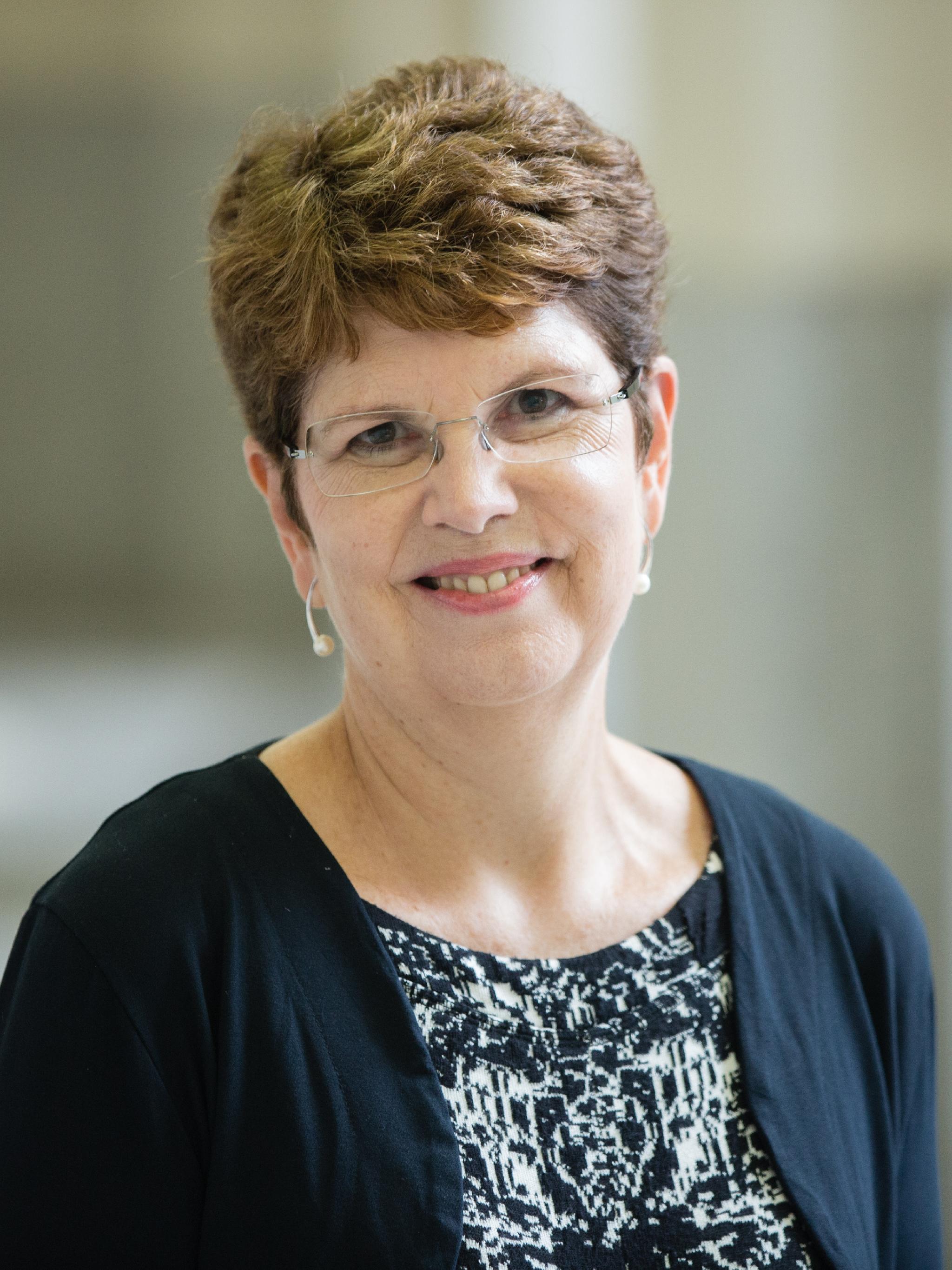
Robin Quinville is the former Director of the Wilson Center's Global Europe Program. She spent more than 30 years as a U.S. diplomat, having served primarily in Europe – including postings to two multilateral organizations (the Organization for Security and Cooperation in Europe and NATO) and bilateral postings to Cyprus, Bosnia, Greece, the United Kingdom, and Germany. She also spent a year in Baghdad, Iraq. In Washington, she directed the Office of Western European Affairs at the Department of State and served as a Wilson Center State Department Fellow for a year. Her last foreign posting was as the Charge d'Affaires at the U.S. Embassy in Berlin, Germany.
Ms. Quinville holds a master’s degree and M.PHIL from Columbia University, and a bachelor’s degree in political science from University of Redlands. She is widely recognized for her expertise in European affairs, alliance politics, and transatlantic cooperation.
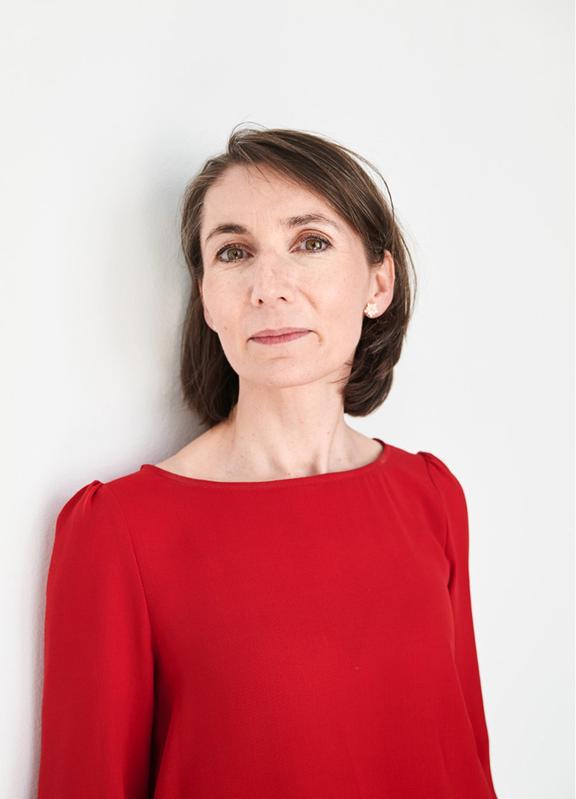
Dr. Claudia Major is GMF's senior vice president overseeing the organization’s transatlantic security and defense work, and an executive team member. Previously, Dr. Major was the director of the International Security Division at the German think tank Stiftung Wissenschaft und Politik (SWP) in Berlin.
Her research, advisory work, and publications focus on German, European and transatlantic security and defense policy, NATO, deterrence and nuclear (dis)order, defense industry, and the Franco-German relationship. Currently, she is particularly focused on the repercussions of Russia's war against Ukraine for Europe, the transatlantic relationship, and the nuclear order; options to end the war in Ukraine; and ways to ensure the long-term security of Europe and Ukraine.
Dr. Major previously held positions at the Center for Security Studies at the ETH Zurich, the German Council on Foreign Relations (DGAP), the EU Institute for Security Studies (Paris), the NATO Department of the German Foreign Office, and Sciences Po Paris. She was and is a member of various committees, including the Advisory Board for Civilian Crisis Prevention of the German Federal Foreign Office (2010-2024) and the Advisory Board of the Federal Ministry of Defense on "leadership development and civic education" (lnnere Führung) (since 2023). She holds a diploma from the Free University of Berlin and Sciences Po Paris and a PhD from the University of Birmingham (UK).
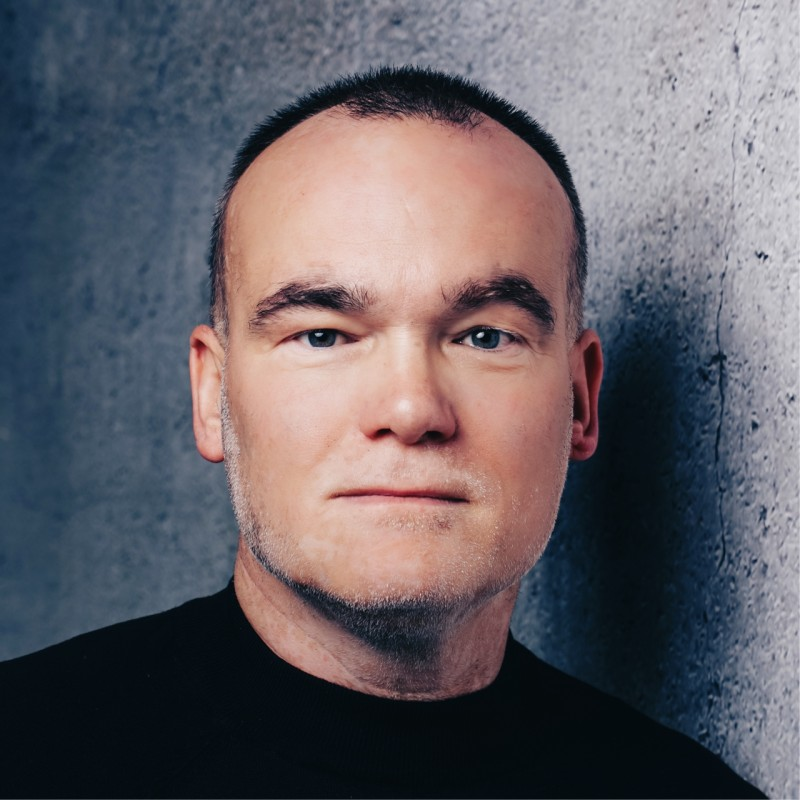
Vladimir Balzer is an award-winning journalist who grew up in Leipzig and studied in Dublin, Venice, and Leipzig. He began his career as a presenter, reporter, and editor at Deutschlandradio and MDR. Mr. Balzer hosts, among other programs, the daily program “Fazit – Kultur vom Tage” on Deutschlandfunk Kultur. In 2022, he was selected to be a Kellen Fellow by the American Council on Germany. In 2023, he started as a correspondent at Deutschlandfunk’s capital city studio in Berlin. He is known as a commentator for German television, such as ZDF. He also regularly reports for his broadcaster from the U.S.




For 80 years, the trans-Atlantic alliance has served as the backbone of a rules-based international order. Today, that liberal order is eroding – and the United States is increasingly signaling a move away from the multilateral commitments and institutional leadership that once defined its global role. With Washington adopting a more interest-driven, transactional posture, Europe faces a strategic moment of truth. What does trans-Atlantic cooperation look like when the old assumptions no longer hold? Can Europe become a more autonomous partner – and what kind of global governance model might replace the framework that is now fading?
This event brings together leading foreign policy experts from both sides of the Atlantic to explore these questions and chart possible paths forward for the trans-Atlantic partnership: Robin Quinville, former Director of the Wilson Center’s Global Europe Program and former Charge d ’Affaires at the U.S. Mission to Germany; and Claudia Major, Senior Vice President, Transatlantic Security at the German Marshall Fund of the United States. Moderated by award-winning journalist Vladimir Balzer.
Biographies
Robin Quinville is the former Director of the Wilson Center's Global Europe Program. She spent more than 30 years as a U.S. diplomat, having served primarily in Europe – including postings to two multilateral organizations (the Organization for Security and Cooperation in Europe and NATO) and bilateral postings to Cyprus, Bosnia, Greece, the United Kingdom, and Germany. She also spent a year in Baghdad, Iraq. In Washington, she directed the Office of Western European Affairs at the Department of State and served as a Wilson Center State Department Fellow for a year. Her last foreign posting was as the Charge d'Affaires at the U.S. Embassy in Berlin, Germany.
Ms. Quinville holds a master’s degree and M.PHIL from Columbia University, and a bachelor’s degree in political science from University of Redlands. She is widely recognized for her expertise in European affairs, alliance politics, and transatlantic cooperation.
Dr. Claudia Major is GMF's senior vice president overseeing the organization’s transatlantic security and defense work, and an executive team member. Previously, Dr. Major was the director of the International Security Division at the German think tank Stiftung Wissenschaft und Politik (SWP) in Berlin.
Her research, advisory work, and publications focus on German, European and transatlantic security and defense policy, NATO, deterrence and nuclear (dis)order, defense industry, and the Franco-German relationship. Currently, she is particularly focused on the repercussions of Russia's war against Ukraine for Europe, the transatlantic relationship, and the nuclear order; options to end the war in Ukraine; and ways to ensure the long-term security of Europe and Ukraine.
Dr. Major previously held positions at the Center for Security Studies at the ETH Zurich, the German Council on Foreign Relations (DGAP), the EU Institute for Security Studies (Paris), the NATO Department of the German Foreign Office, and Sciences Po Paris. She was and is a member of various committees, including the Advisory Board for Civilian Crisis Prevention of the German Federal Foreign Office (2010-2024) and the Advisory Board of the Federal Ministry of Defense on "leadership development and civic education" (lnnere Führung) (since 2023). She holds a diploma from the Free University of Berlin and Sciences Po Paris and a PhD from the University of Birmingham (UK).
Vladimir Balzer is an award-winning journalist who grew up in Leipzig and studied in Dublin, Venice, and Leipzig. He began his career as a presenter, reporter, and editor at Deutschlandradio and MDR. Mr. Balzer hosts, among other programs, the daily program “Fazit – Kultur vom Tage” on Deutschlandfunk Kultur. In 2022, he was selected to be a Kellen Fellow by the American Council on Germany. In 2023, he started as a correspondent at Deutschlandfunk’s capital city studio in Berlin. He is known as a commentator for German television, such as ZDF. He also regularly reports for his broadcaster from the U.S.

For 80 years, the trans-Atlantic alliance has served as the backbone of a rules-based international order. Today, that liberal order is eroding – and the United States is increasingly signaling a move away from the multilateral commitments and institutional leadership that once defined its global role. With Washington adopting a more interest-driven, transactional posture, Europe faces a strategic moment of truth. What does trans-Atlantic cooperation look like when the old assumptions no longer hold? Can Europe become a more autonomous partner – and what kind of global governance model might replace the framework that is now fading?
This event brings together leading foreign policy experts from both sides of the Atlantic to explore these questions and chart possible paths forward for the trans-Atlantic partnership: Robin Quinville, former Director of the Wilson Center’s Global Europe Program and former Charge d ’Affaires at the U.S. Mission to Germany; and Claudia Major, Senior Vice President, Transatlantic Security at the German Marshall Fund of the United States. Moderated by award-winning journalist Vladimir Balzer.
Biographies
Robin Quinville is the former Director of the Wilson Center's Global Europe Program. She spent more than 30 years as a U.S. diplomat, having served primarily in Europe – including postings to two multilateral organizations (the Organization for Security and Cooperation in Europe and NATO) and bilateral postings to Cyprus, Bosnia, Greece, the United Kingdom, and Germany. She also spent a year in Baghdad, Iraq. In Washington, she directed the Office of Western European Affairs at the Department of State and served as a Wilson Center State Department Fellow for a year. Her last foreign posting was as the Charge d'Affaires at the U.S. Embassy in Berlin, Germany.
Ms. Quinville holds a master’s degree and M.PHIL from Columbia University, and a bachelor’s degree in political science from University of Redlands. She is widely recognized for her expertise in European affairs, alliance politics, and transatlantic cooperation.
Dr. Claudia Major is GMF's senior vice president overseeing the organization’s transatlantic security and defense work, and an executive team member. Previously, Dr. Major was the director of the International Security Division at the German think tank Stiftung Wissenschaft und Politik (SWP) in Berlin.
Her research, advisory work, and publications focus on German, European and transatlantic security and defense policy, NATO, deterrence and nuclear (dis)order, defense industry, and the Franco-German relationship. Currently, she is particularly focused on the repercussions of Russia's war against Ukraine for Europe, the transatlantic relationship, and the nuclear order; options to end the war in Ukraine; and ways to ensure the long-term security of Europe and Ukraine.
Dr. Major previously held positions at the Center for Security Studies at the ETH Zurich, the German Council on Foreign Relations (DGAP), the EU Institute for Security Studies (Paris), the NATO Department of the German Foreign Office, and Sciences Po Paris. She was and is a member of various committees, including the Advisory Board for Civilian Crisis Prevention of the German Federal Foreign Office (2010-2024) and the Advisory Board of the Federal Ministry of Defense on "leadership development and civic education" (lnnere Führung) (since 2023). She holds a diploma from the Free University of Berlin and Sciences Po Paris and a PhD from the University of Birmingham (UK).
Vladimir Balzer is an award-winning journalist who grew up in Leipzig and studied in Dublin, Venice, and Leipzig. He began his career as a presenter, reporter, and editor at Deutschlandradio and MDR. Mr. Balzer hosts, among other programs, the daily program “Fazit – Kultur vom Tage” on Deutschlandfunk Kultur. In 2022, he was selected to be a Kellen Fellow by the American Council on Germany. In 2023, he started as a correspondent at Deutschlandfunk’s capital city studio in Berlin. He is known as a commentator for German television, such as ZDF. He also regularly reports for his broadcaster from the U.S.