.jpg)

.png)
Feeding the Gap: Growing Access and Reducing Waste to Counter Food Deserts
.svg)
.svg)

Food deserts are defined as urban areas where it is difficult to access affordable, high quality, and fresh food. Despite this being specific to urban areas, the U.S. and Germany have growing food deserts in both urban and rural regions, with approximately 13.5 million citizens in both countries respectively experiencing food insecurity. With 80 million tons of food wasted in America and 11 million tons in Germany each year, opportunities to reduce waste could also contribute to shrinking food deserts. What can we do to combat both food waste and food deserts? What alternatives are available to ease the rising food insecurity crisis, and what are the barriers?
Working in different avenues to assist their fellow community members and find new ways to provide essential resources, Brendan Higgins, Associate Professor of Biosystems Engineering at Auburn University; Shanon Morris, Chief Program Officer of Harlem Grown and author; and Gina Lovasi, Dana and David Dornsife Dean and professor of Epidemiology at Drexel University's Dornsife School of Public Health, join us to discuss how food deserts can develop, evolve, and be alleviated.
Biographies
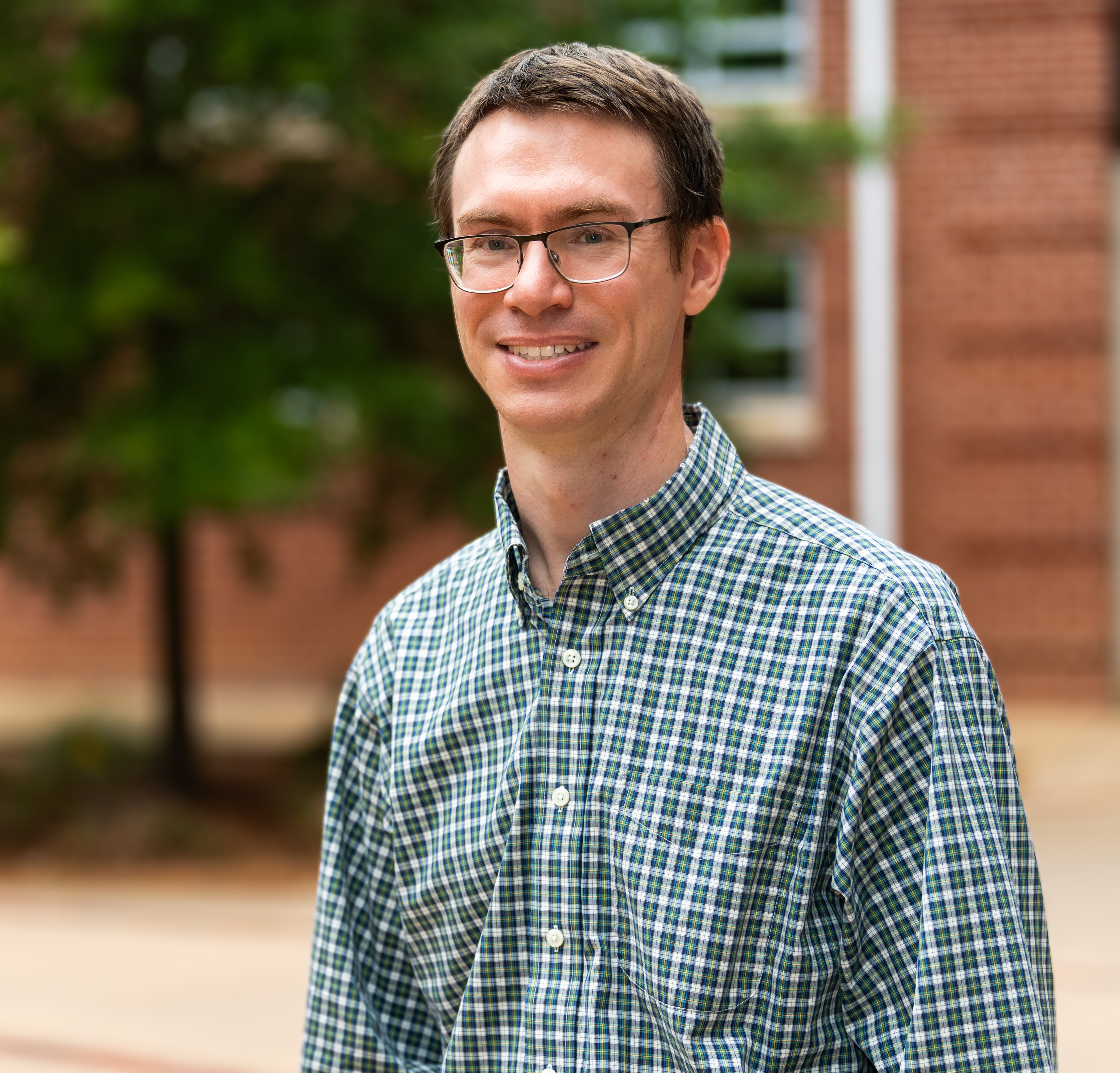
Brendan Higgins is an associate professor in Biosystems Engineering at Auburn University. His research focuses on bioprocesses that convert biological wastes into products and services of value to society. An important part of this is production of food and feed products using microorganisms and controlled environment agriculture. He is the project director of the National Science Foundation funded project: “Investigation of algae-biofloc aquaponics technology for deployment in food deserts.” He also directs the National Institute of Food and Agriculture funded project, “Re-imagining controlled environment agriculture in a low carbon world” which involves 5 universities and 19 investigators. Both of these projects focus on increasing the sustainability of local fresh food production in the US. He received his BS in Civil Engineering (Northwestern University), MS in Transportation Technology& Policy (UC Davis), and PhD in Biological Systems Engineering (UC Davis).

Shanon Morris is a Registered Dietitian and nonprofit leader with nineteen years of experience in food and nutrition sector. She has dedicated her career to working with diverse communities, including children, adults, and seniors, with the goal of making food and nutrition relatable and accessible.
Shanon earned her degrees in Nutrition and Exercise Science from Howard University and Columbia University. Throughout her career, she has led mission-driven organizations and cross-sector partnerships focused on advancing health equity and community-driven food systems, including leadership roles at Edible Schoolyard NYC, Harlem Grown, and the American Heart Association. Shanon’s efforts have notably impacted her own neighborhood in Harlem as well as broader communities throughout New York City.
In addition to her professional practice, Shanon is the author of MC Veggie Fresh Rocks, a book that combines her love for food with her passion for creative writing.
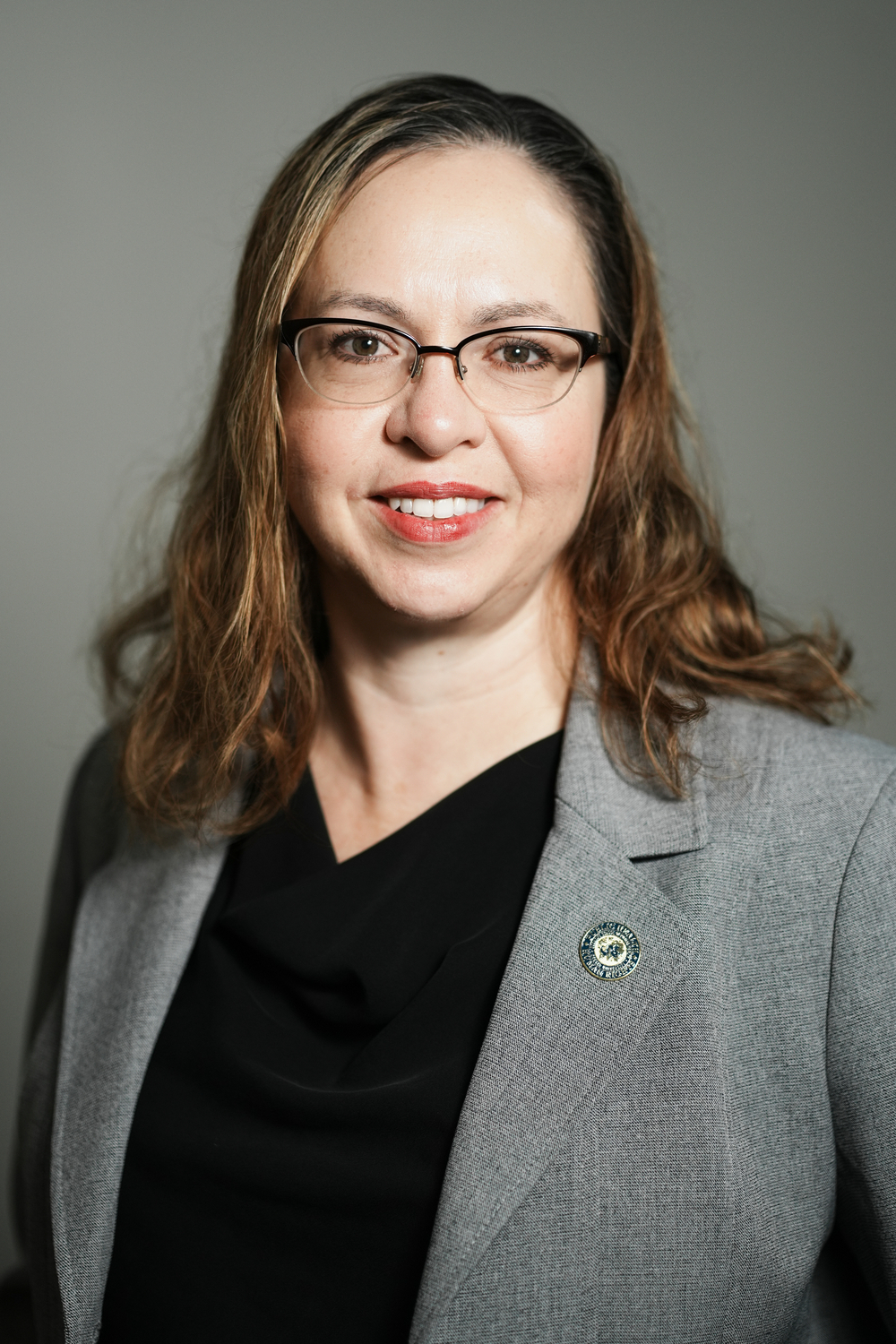
Gina S. Lovasi, PhD, MPH, is the Dana and David Dornsife Dean and professor of Epidemiology at Drexel University's Dornsife School of Public Health. She is formerly the co-director of the Drexel Urban Health Collaborative.
Her recent NIA-funded project is a longitudinal investigation of local retail (healthy food sources, physical activity venues, and medical facilities) and their implications for cardiovascular disparities and aging across the US. She is also using street-level observations to understand variation in physical disorder within urban areas in the US and Latin America. Dr. Lovasi teaches and mentors graduate students on using data to answer epidemiological and urban health questions, and she co-directs an NIMHD-funded T-37 training grant entitled the Global Alliance for Training in Health Equity Research.
She has authored more than 150 peer-reviewed articles and recently co-edited the book Urban Public Health: A Research Toolkit for Practice and Impact (Oxford University Press, 2020).



Food deserts are defined as urban areas where it is difficult to access affordable, high quality, and fresh food. Despite this being specific to urban areas, the U.S. and Germany have growing food deserts in both urban and rural regions, with approximately 13.5 million citizens in both countries respectively experiencing food insecurity. With 80 million tons of food wasted in America and 11 million tons in Germany each year, opportunities to reduce waste could also contribute to shrinking food deserts. What can we do to combat both food waste and food deserts? What alternatives are available to ease the rising food insecurity crisis, and what are the barriers?
Working in different avenues to assist their fellow community members and find new ways to provide essential resources, Brendan Higgins, Associate Professor of Biosystems Engineering at Auburn University; Shanon Morris, Chief Program Officer of Harlem Grown and author; and Gina Lovasi, Dana and David Dornsife Dean and professor of Epidemiology at Drexel University's Dornsife School of Public Health, join us to discuss how food deserts can develop, evolve, and be alleviated.
Biographies
Brendan Higgins is an associate professor in Biosystems Engineering at Auburn University. His research focuses on bioprocesses that convert biological wastes into products and services of value to society. An important part of this is production of food and feed products using microorganisms and controlled environment agriculture. He is the project director of the National Science Foundation funded project: “Investigation of algae-biofloc aquaponics technology for deployment in food deserts.” He also directs the National Institute of Food and Agriculture funded project, “Re-imagining controlled environment agriculture in a low carbon world” which involves 5 universities and 19 investigators. Both of these projects focus on increasing the sustainability of local fresh food production in the US. He received his BS in Civil Engineering (Northwestern University), MS in Transportation Technology& Policy (UC Davis), and PhD in Biological Systems Engineering (UC Davis).
Shanon Morris is a Registered Dietitian and nonprofit leader with nineteen years of experience in food and nutrition sector. She has dedicated her career to working with diverse communities, including children, adults, and seniors, with the goal of making food and nutrition relatable and accessible.
Shanon earned her degrees in Nutrition and Exercise Science from Howard University and Columbia University. Throughout her career, she has led mission-driven organizations and cross-sector partnerships focused on advancing health equity and community-driven food systems, including leadership roles at Edible Schoolyard NYC, Harlem Grown, and the American Heart Association. Shanon’s efforts have notably impacted her own neighborhood in Harlem as well as broader communities throughout New York City.
In addition to her professional practice, Shanon is the author of MC Veggie Fresh Rocks, a book that combines her love for food with her passion for creative writing.
Gina S. Lovasi, PhD, MPH, is the Dana and David Dornsife Dean and professor of Epidemiology at Drexel University's Dornsife School of Public Health. She is formerly the co-director of the Drexel Urban Health Collaborative.
Her recent NIA-funded project is a longitudinal investigation of local retail (healthy food sources, physical activity venues, and medical facilities) and their implications for cardiovascular disparities and aging across the US. She is also using street-level observations to understand variation in physical disorder within urban areas in the US and Latin America. Dr. Lovasi teaches and mentors graduate students on using data to answer epidemiological and urban health questions, and she co-directs an NIMHD-funded T-37 training grant entitled the Global Alliance for Training in Health Equity Research.
She has authored more than 150 peer-reviewed articles and recently co-edited the book Urban Public Health: A Research Toolkit for Practice and Impact (Oxford University Press, 2020).

Food deserts are defined as urban areas where it is difficult to access affordable, high quality, and fresh food. Despite this being specific to urban areas, the U.S. and Germany have growing food deserts in both urban and rural regions, with approximately 13.5 million citizens in both countries respectively experiencing food insecurity. With 80 million tons of food wasted in America and 11 million tons in Germany each year, opportunities to reduce waste could also contribute to shrinking food deserts. What can we do to combat both food waste and food deserts? What alternatives are available to ease the rising food insecurity crisis, and what are the barriers?
Working in different avenues to assist their fellow community members and find new ways to provide essential resources, Brendan Higgins, Associate Professor of Biosystems Engineering at Auburn University; Shanon Morris, Chief Program Officer of Harlem Grown and author; and Gina Lovasi, Dana and David Dornsife Dean and professor of Epidemiology at Drexel University's Dornsife School of Public Health, join us to discuss how food deserts can develop, evolve, and be alleviated.
Biographies
Brendan Higgins is an associate professor in Biosystems Engineering at Auburn University. His research focuses on bioprocesses that convert biological wastes into products and services of value to society. An important part of this is production of food and feed products using microorganisms and controlled environment agriculture. He is the project director of the National Science Foundation funded project: “Investigation of algae-biofloc aquaponics technology for deployment in food deserts.” He also directs the National Institute of Food and Agriculture funded project, “Re-imagining controlled environment agriculture in a low carbon world” which involves 5 universities and 19 investigators. Both of these projects focus on increasing the sustainability of local fresh food production in the US. He received his BS in Civil Engineering (Northwestern University), MS in Transportation Technology& Policy (UC Davis), and PhD in Biological Systems Engineering (UC Davis).
Shanon Morris is a Registered Dietitian and nonprofit leader with nineteen years of experience in food and nutrition sector. She has dedicated her career to working with diverse communities, including children, adults, and seniors, with the goal of making food and nutrition relatable and accessible.
Shanon earned her degrees in Nutrition and Exercise Science from Howard University and Columbia University. Throughout her career, she has led mission-driven organizations and cross-sector partnerships focused on advancing health equity and community-driven food systems, including leadership roles at Edible Schoolyard NYC, Harlem Grown, and the American Heart Association. Shanon’s efforts have notably impacted her own neighborhood in Harlem as well as broader communities throughout New York City.
In addition to her professional practice, Shanon is the author of MC Veggie Fresh Rocks, a book that combines her love for food with her passion for creative writing.
Gina S. Lovasi, PhD, MPH, is the Dana and David Dornsife Dean and professor of Epidemiology at Drexel University's Dornsife School of Public Health. She is formerly the co-director of the Drexel Urban Health Collaborative.
Her recent NIA-funded project is a longitudinal investigation of local retail (healthy food sources, physical activity venues, and medical facilities) and their implications for cardiovascular disparities and aging across the US. She is also using street-level observations to understand variation in physical disorder within urban areas in the US and Latin America. Dr. Lovasi teaches and mentors graduate students on using data to answer epidemiological and urban health questions, and she co-directs an NIMHD-funded T-37 training grant entitled the Global Alliance for Training in Health Equity Research.
She has authored more than 150 peer-reviewed articles and recently co-edited the book Urban Public Health: A Research Toolkit for Practice and Impact (Oxford University Press, 2020).
Session Recording
Gallery