.jpg)

.png)
Redefining Soft Power vs Return of the Strong Man - Women in the Diplomatic Service in the U.S. and Germany
.svg)
.svg)
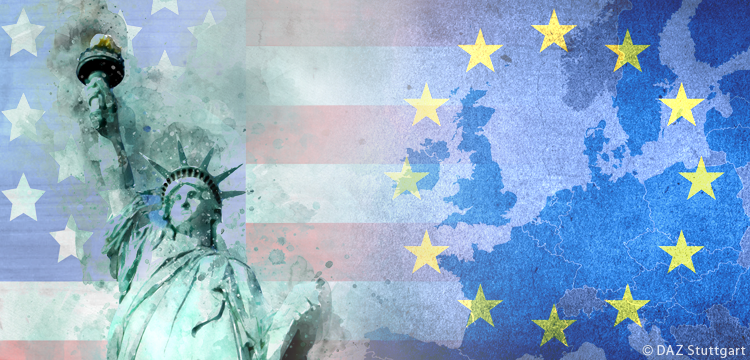
For 80 years, the trans-Atlantic alliance served as the backbone of a rules-based liberal order. Today, that order is eroding—and the United States is increasingly signaling a move away from the multilateral commitments and institutional leadership that once defined its global role. With Washington adopting a more interest-driven, transactional posture, Europe faces a strategic moment of truth. What does trans-Atlantic cooperation look like when the old assumptions no longer hold? Can Europe become a more autonomous partner—and what kind of global governance model might replace the one now fading?
Join us in conversation with two women with extensive careers as diplomats – representing the US and Germany. Robin Quinville and Christine Althauser will compare notes on their careers as women in the US-American and the German Foreign Service and also look into the future on how international and especially trans-Atlantic relations are upheld by the Foreign Service. In particular, they will discuss, what women can bring to the table in today’s more challenging negotiation climate.
Biographies
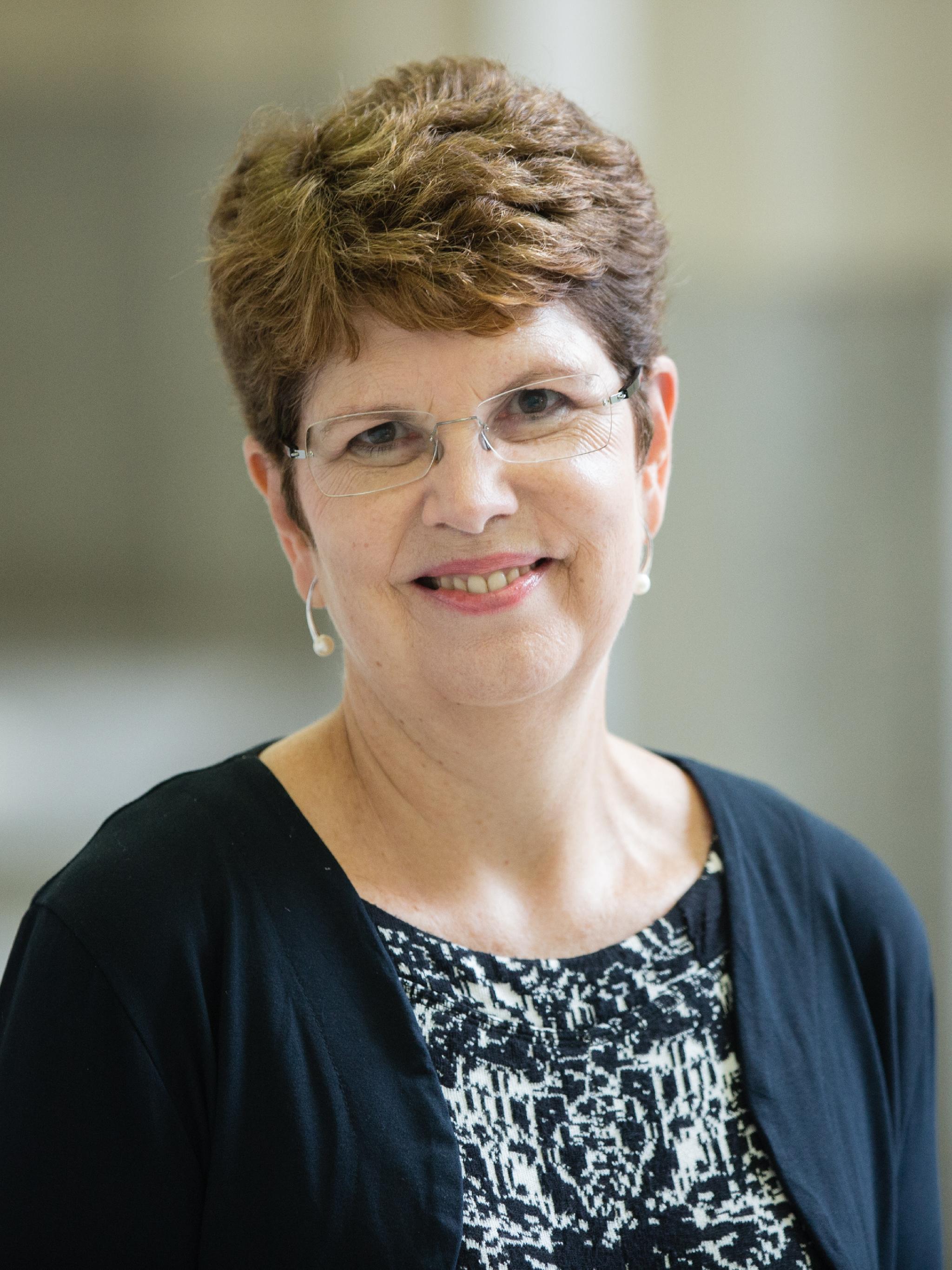
Robin Quinville is the former Director of the Wilson Center's Global Europe Program. She spent more than 30 years as a U.S. diplomat, having served primarily in Europe – including postings to two multilateral organizations (the Organization for Security and Cooperation in Europe and NATO) and bilateral postings to Cyprus, Bosnia, Greece, the United Kingdom, and Germany. She also spent a year in Baghdad, Iraq. In Washington, she directed the Office of Western European Affairs at the Department of State and served as a Wilson Center State Department Fellow for a year. Her last foreign posting was as the Charge d'Affaires at the U.S. Embassy in Berlin, Germany.
Ms. Quinville holds a master’s degree and M.PHIL from Columbia University, and a bachelor’s degree in political science from University of Redlands. She is widely recognized for her expertise in European affairs, alliance politics, and transatlantic cooperation.

Dr. Christine D. Althauser joined the Federal German Foreign Office in 1987, where she began her career in the diplomatic service. After earning her doctorate, she served at the German Embassy in Moscow from 1997 to 2000, served in the Netherlands as well as at the European Council in Strasbourg and was German Ambassador to North Macedonia from 2014 to 2017, as well as Consul General in Shanghai from 2017 to 2021. Today, Dr. Althauser works in international diplomatic training in Berlin and continues to work on issues related to international relations with China, Russia, and Eastern Europe, as well as on questions of European integration, including for the Federal Foreign Office



For 80 years, the trans-Atlantic alliance served as the backbone of a rules-based liberal order. Today, that order is eroding—and the United States is increasingly signaling a move away from the multilateral commitments and institutional leadership that once defined its global role. With Washington adopting a more interest-driven, transactional posture, Europe faces a strategic moment of truth. What does trans-Atlantic cooperation look like when the old assumptions no longer hold? Can Europe become a more autonomous partner—and what kind of global governance model might replace the one now fading?
Join us in conversation with two women with extensive careers as diplomats – representing the US and Germany. Robin Quinville and Christine Althauser will compare notes on their careers as women in the US-American and the German Foreign Service and also look into the future on how international and especially trans-Atlantic relations are upheld by the Foreign Service. In particular, they will discuss, what women can bring to the table in today’s more challenging negotiation climate.
Biographies
Robin Quinville is the former Director of the Wilson Center's Global Europe Program. She spent more than 30 years as a U.S. diplomat, having served primarily in Europe – including postings to two multilateral organizations (the Organization for Security and Cooperation in Europe and NATO) and bilateral postings to Cyprus, Bosnia, Greece, the United Kingdom, and Germany. She also spent a year in Baghdad, Iraq. In Washington, she directed the Office of Western European Affairs at the Department of State and served as a Wilson Center State Department Fellow for a year. Her last foreign posting was as the Charge d'Affaires at the U.S. Embassy in Berlin, Germany.
Ms. Quinville holds a master’s degree and M.PHIL from Columbia University, and a bachelor’s degree in political science from University of Redlands. She is widely recognized for her expertise in European affairs, alliance politics, and transatlantic cooperation.
Dr. Christine D. Althauser joined the Federal German Foreign Office in 1987, where she began her career in the diplomatic service. After earning her doctorate, she served at the German Embassy in Moscow from 1997 to 2000, served in the Netherlands as well as at the European Council in Strasbourg and was German Ambassador to North Macedonia from 2014 to 2017, as well as Consul General in Shanghai from 2017 to 2021. Today, Dr. Althauser works in international diplomatic training in Berlin and continues to work on issues related to international relations with China, Russia, and Eastern Europe, as well as on questions of European integration, including for the Federal Foreign Office

For 80 years, the trans-Atlantic alliance served as the backbone of a rules-based liberal order. Today, that order is eroding—and the United States is increasingly signaling a move away from the multilateral commitments and institutional leadership that once defined its global role. With Washington adopting a more interest-driven, transactional posture, Europe faces a strategic moment of truth. What does trans-Atlantic cooperation look like when the old assumptions no longer hold? Can Europe become a more autonomous partner—and what kind of global governance model might replace the one now fading?
Join us in conversation with two women with extensive careers as diplomats – representing the US and Germany. Robin Quinville and Christine Althauser will compare notes on their careers as women in the US-American and the German Foreign Service and also look into the future on how international and especially trans-Atlantic relations are upheld by the Foreign Service. In particular, they will discuss, what women can bring to the table in today’s more challenging negotiation climate.
Biographies
Robin Quinville is the former Director of the Wilson Center's Global Europe Program. She spent more than 30 years as a U.S. diplomat, having served primarily in Europe – including postings to two multilateral organizations (the Organization for Security and Cooperation in Europe and NATO) and bilateral postings to Cyprus, Bosnia, Greece, the United Kingdom, and Germany. She also spent a year in Baghdad, Iraq. In Washington, she directed the Office of Western European Affairs at the Department of State and served as a Wilson Center State Department Fellow for a year. Her last foreign posting was as the Charge d'Affaires at the U.S. Embassy in Berlin, Germany.
Ms. Quinville holds a master’s degree and M.PHIL from Columbia University, and a bachelor’s degree in political science from University of Redlands. She is widely recognized for her expertise in European affairs, alliance politics, and transatlantic cooperation.
Dr. Christine D. Althauser joined the Federal German Foreign Office in 1987, where she began her career in the diplomatic service. After earning her doctorate, she served at the German Embassy in Moscow from 1997 to 2000, served in the Netherlands as well as at the European Council in Strasbourg and was German Ambassador to North Macedonia from 2014 to 2017, as well as Consul General in Shanghai from 2017 to 2021. Today, Dr. Althauser works in international diplomatic training in Berlin and continues to work on issues related to international relations with China, Russia, and Eastern Europe, as well as on questions of European integration, including for the Federal Foreign Office