.jpg)

.png)
The Internet of Animals: How Wildlife Can Help Forecast Disasters, Disease, and Environmental Change
.svg)
.svg)
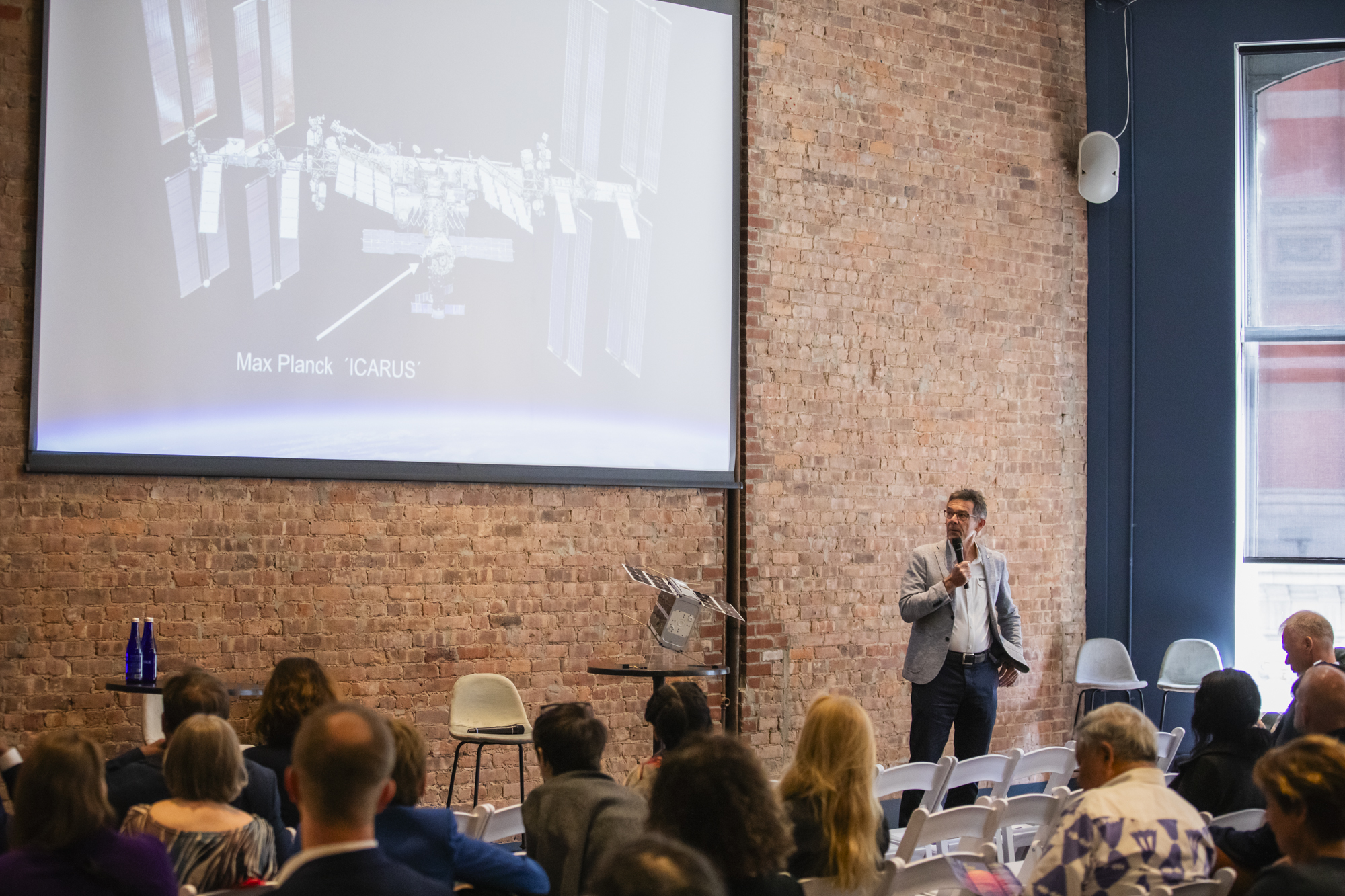
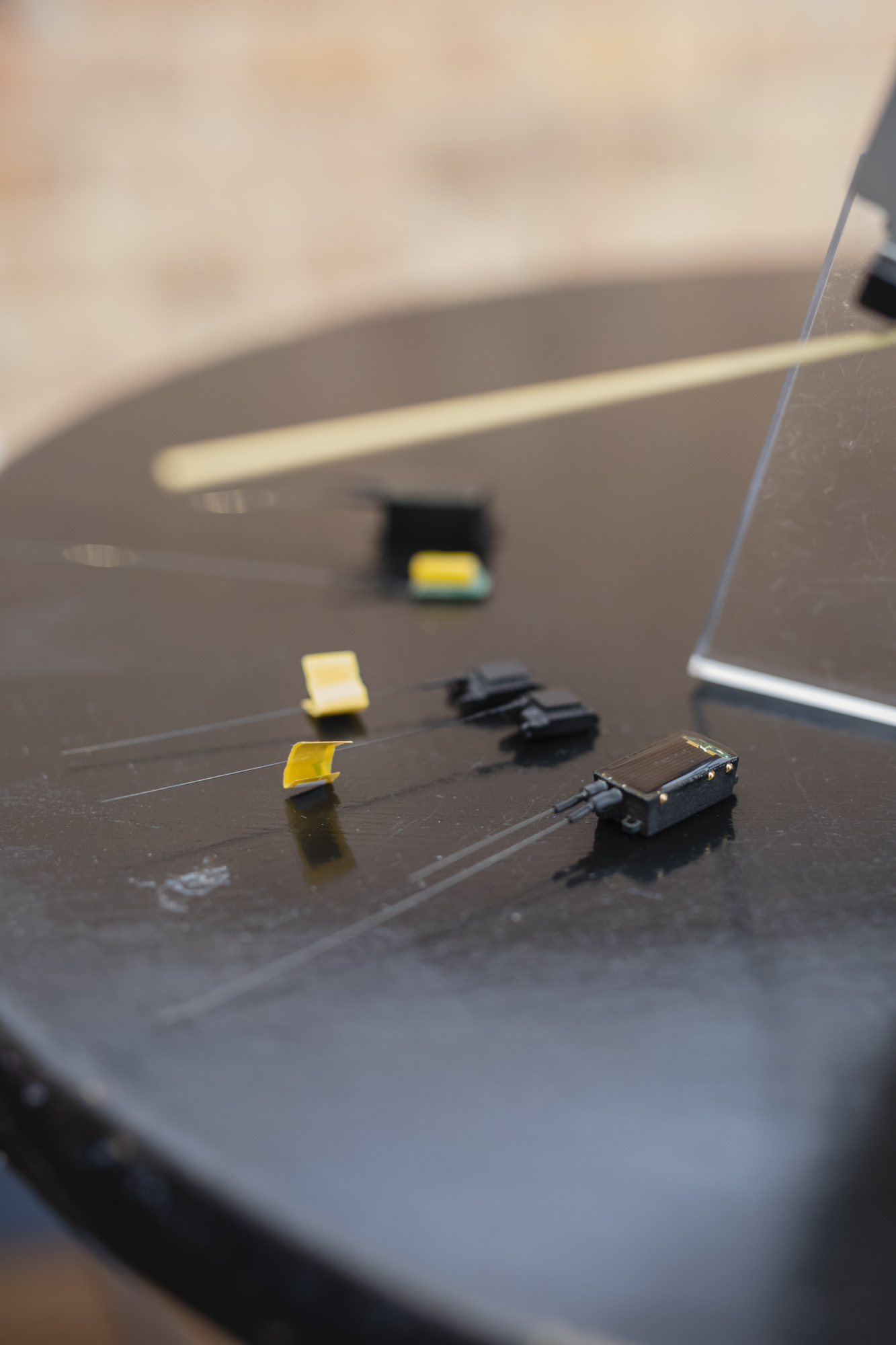
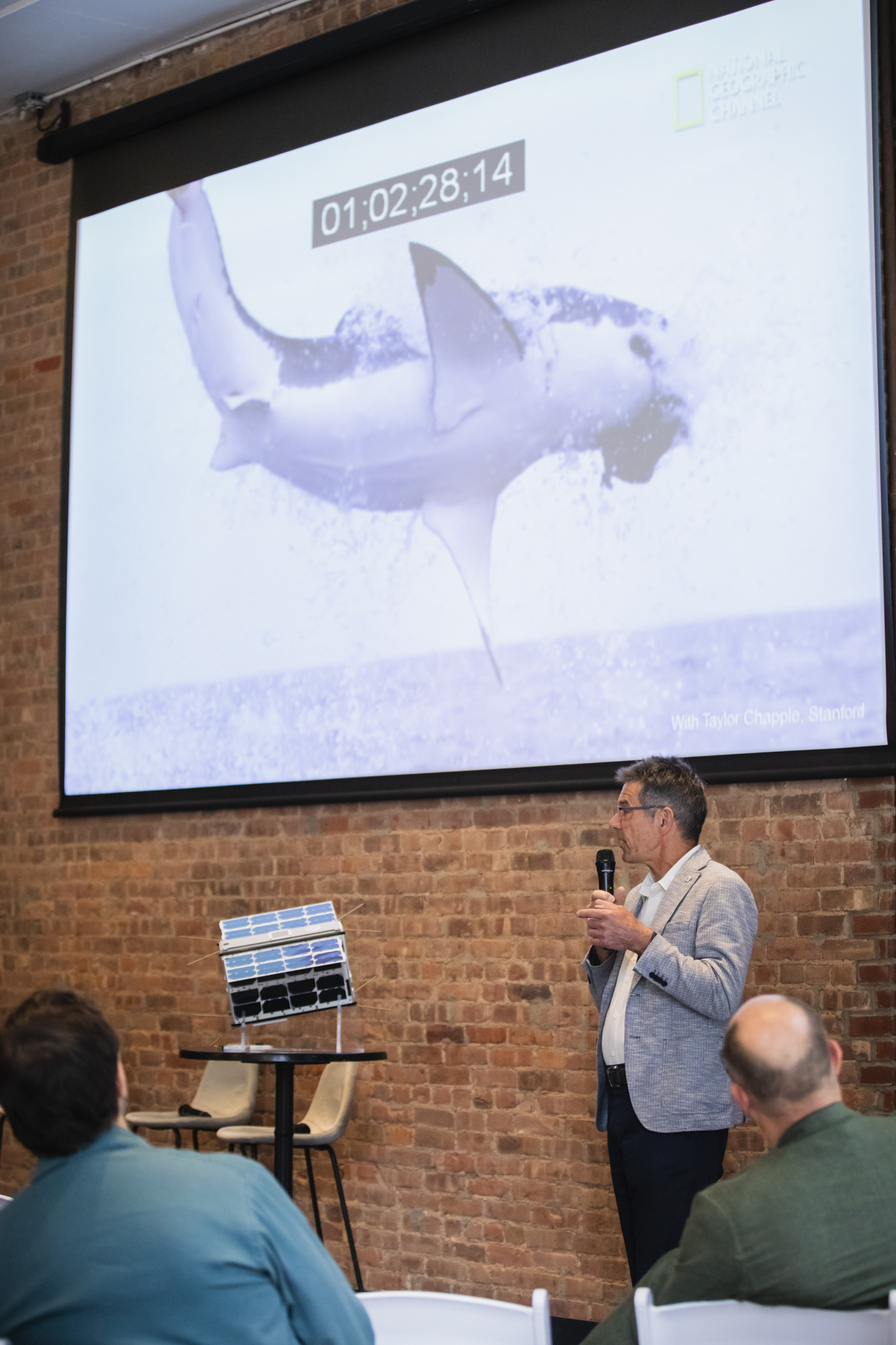
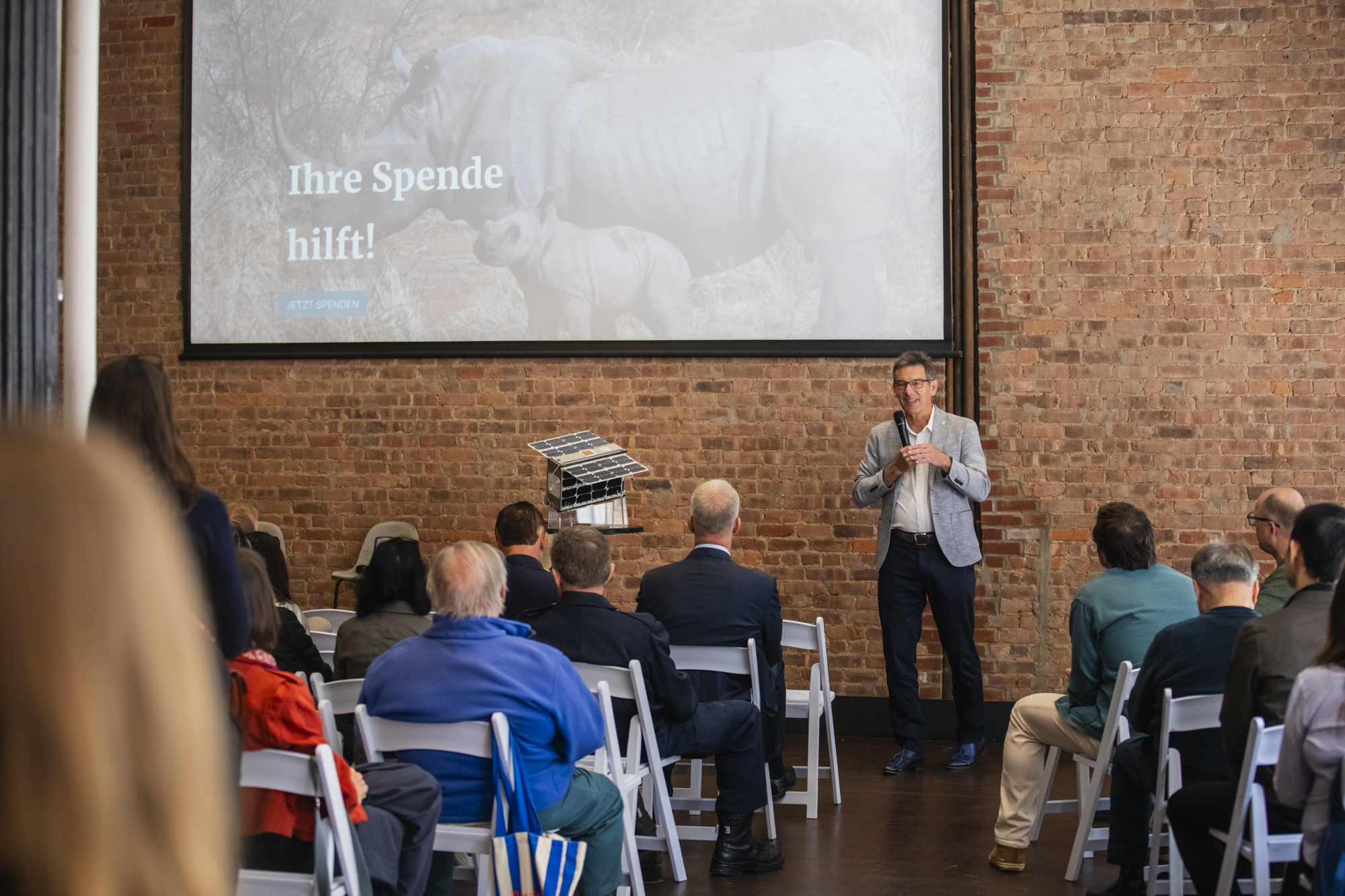
The collective wisdom of the Earth's animals provides an immense bio-treasure of unprecedented information for humankind. Learning from animals in the "Internet of Animals" can help us predict natural catastrophes, forecast global zoonotic disease spreads, or safeguard food resources while monitoring in situ every corner of the planet. The evolved senses of animals as well as technical sensors on animal-borne tracking tags enable local earth observations at highest spatial and temporal resolution. To protect and understand the ecosystem services provided by animals, we need to monitor individual animals seamlessly on a global scale. At the same time, these unprecedented life-history data of individual wild animals provide deep, novel insight into fundamental biological processes.
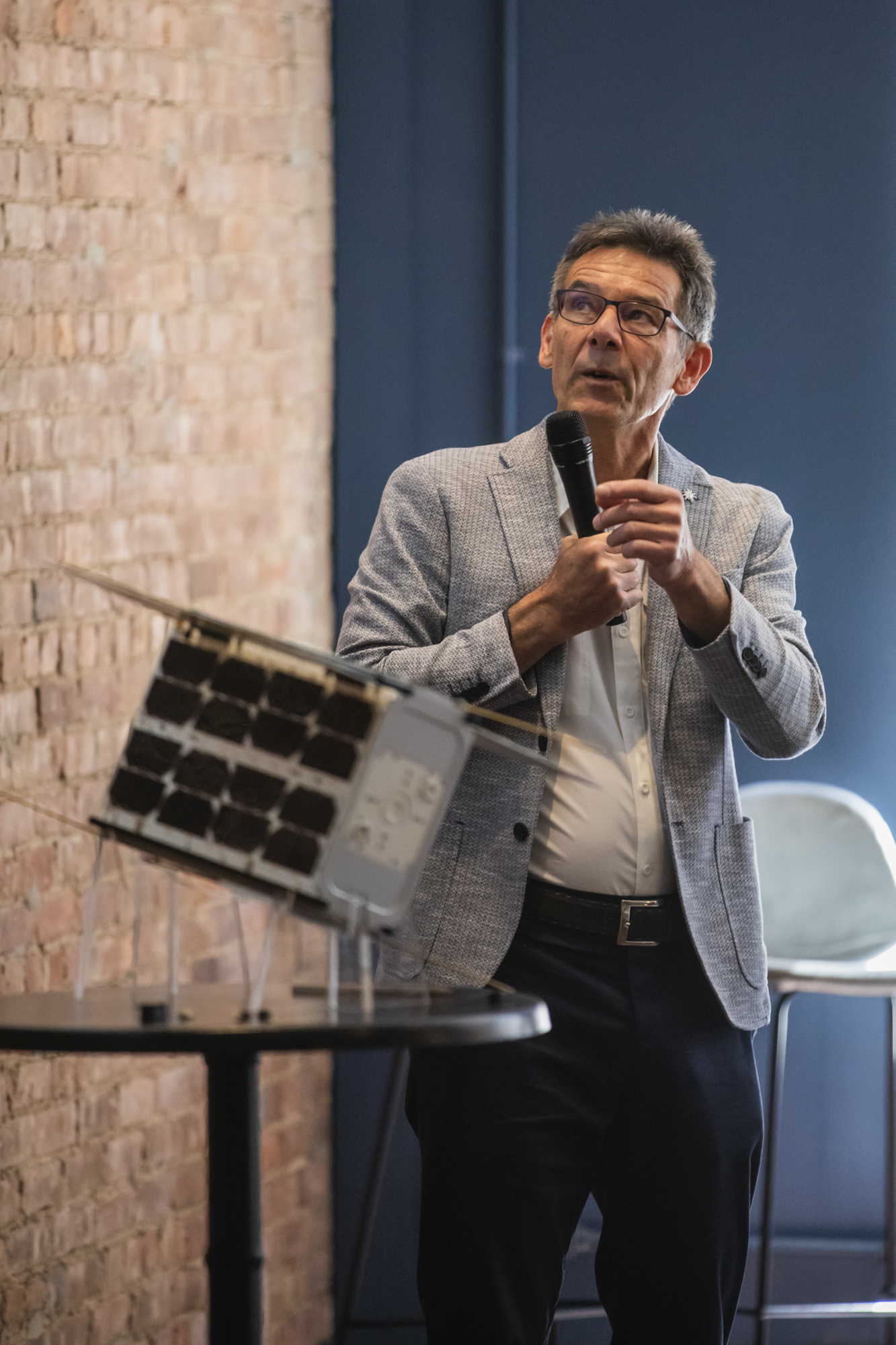
The ICARUS initiative, an international bottom-up, science-driven technology development of small, cheap and autonomous IoT (Internet of Things) sensing devices for animal movement and behavior is aiming towards this: wearables for wildlife. The resulting big data available in the open-source data base Movebank helps understand, monitor, predict and protect life on our planet.
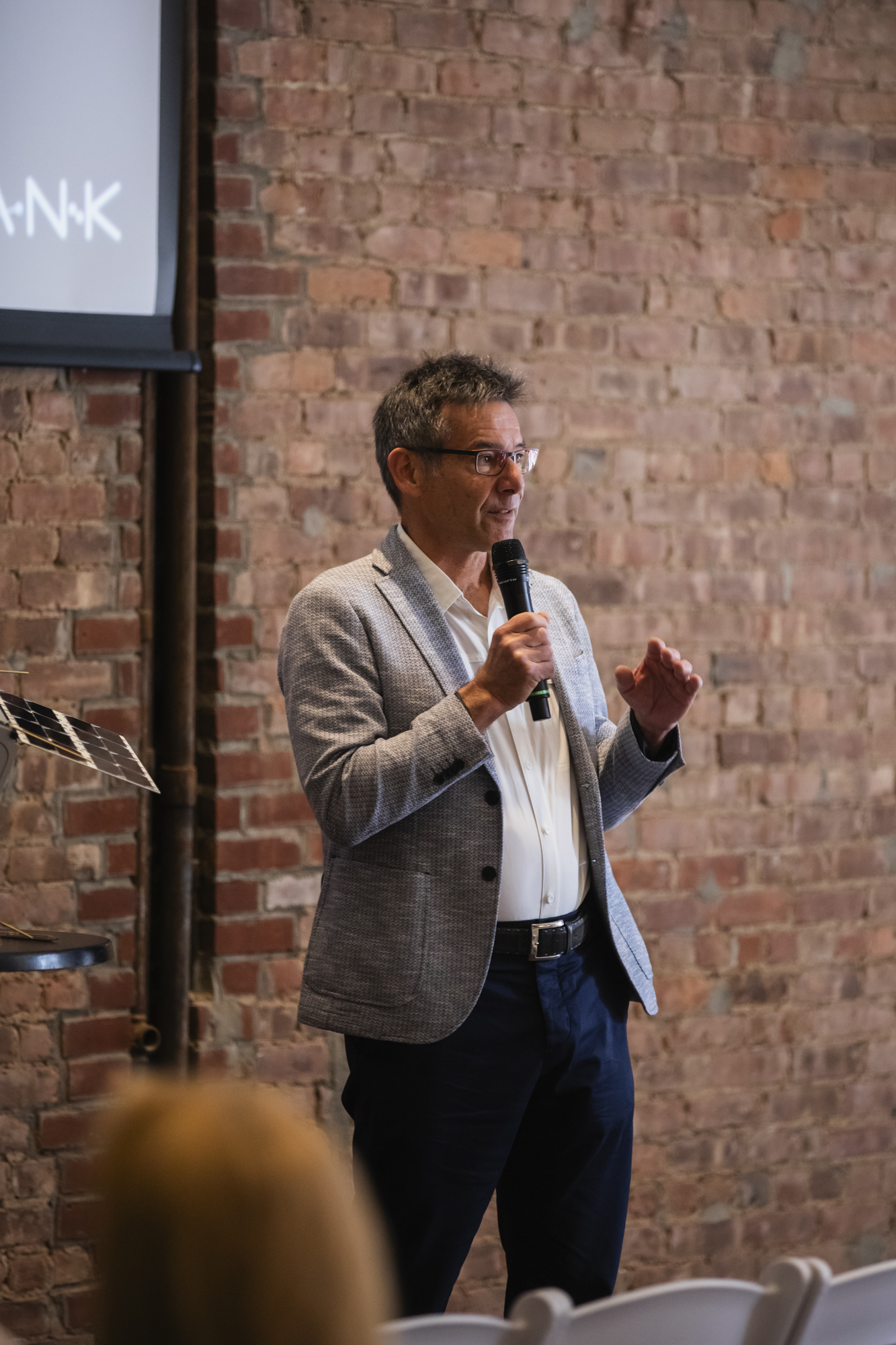
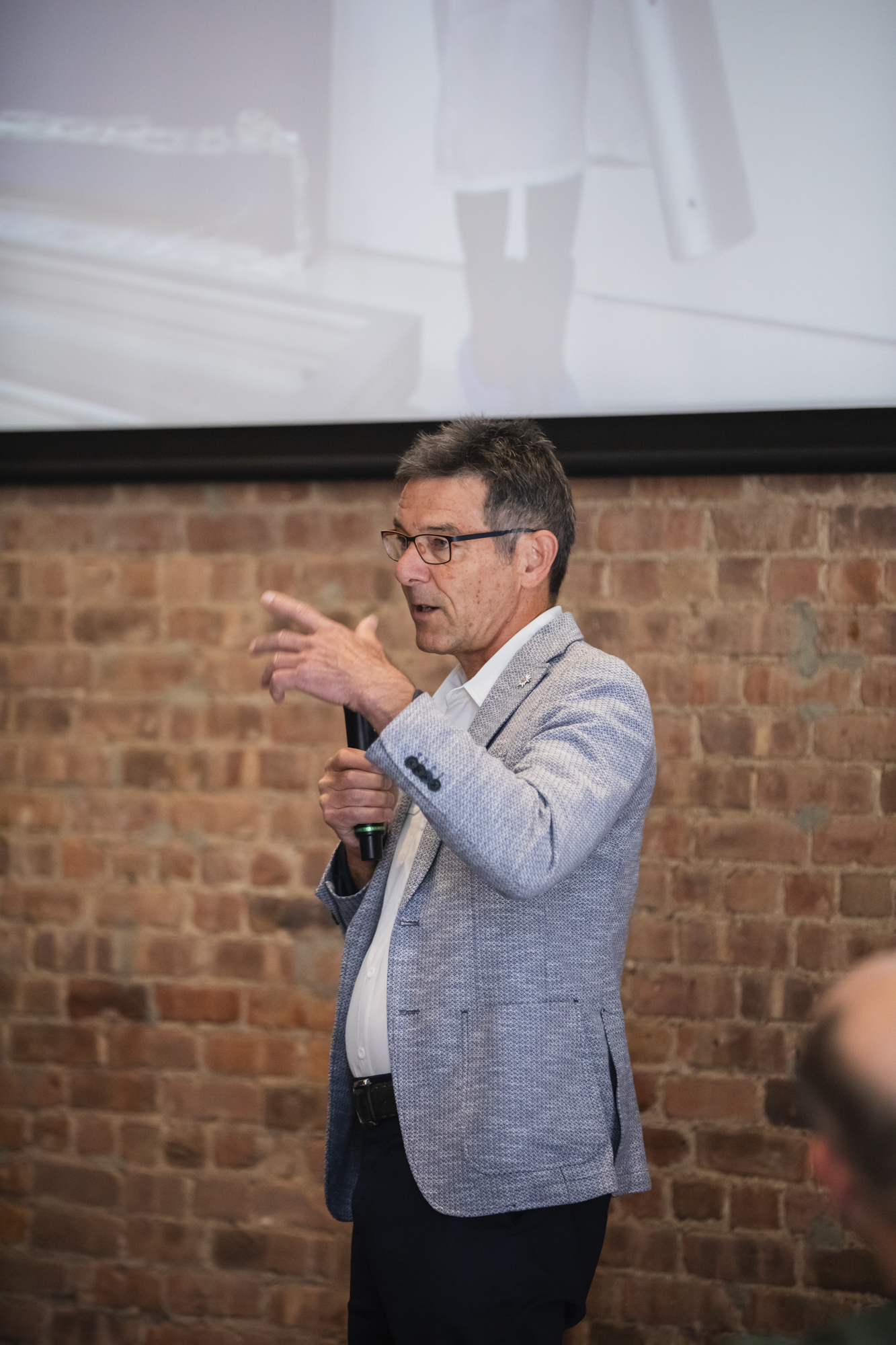
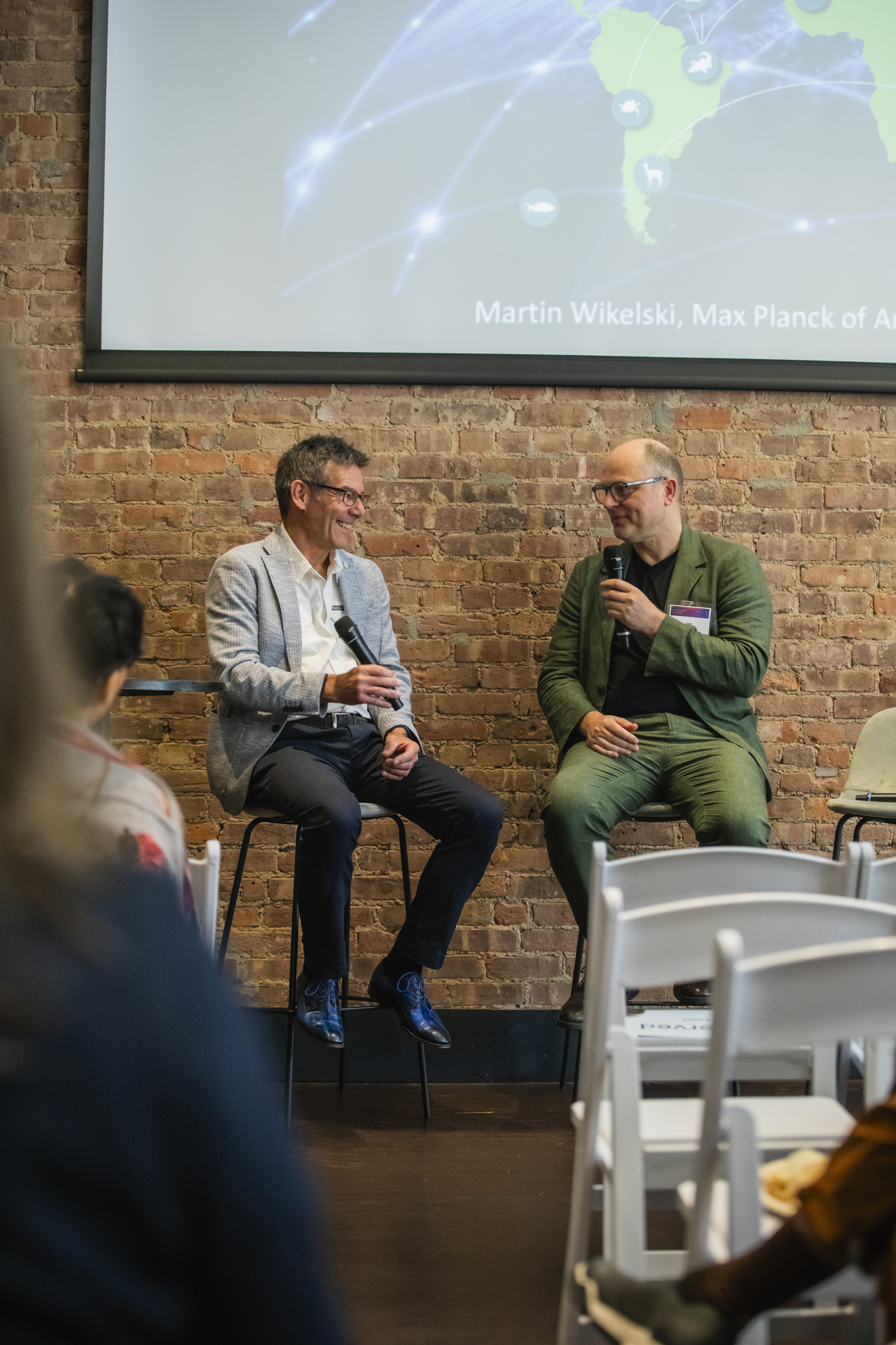
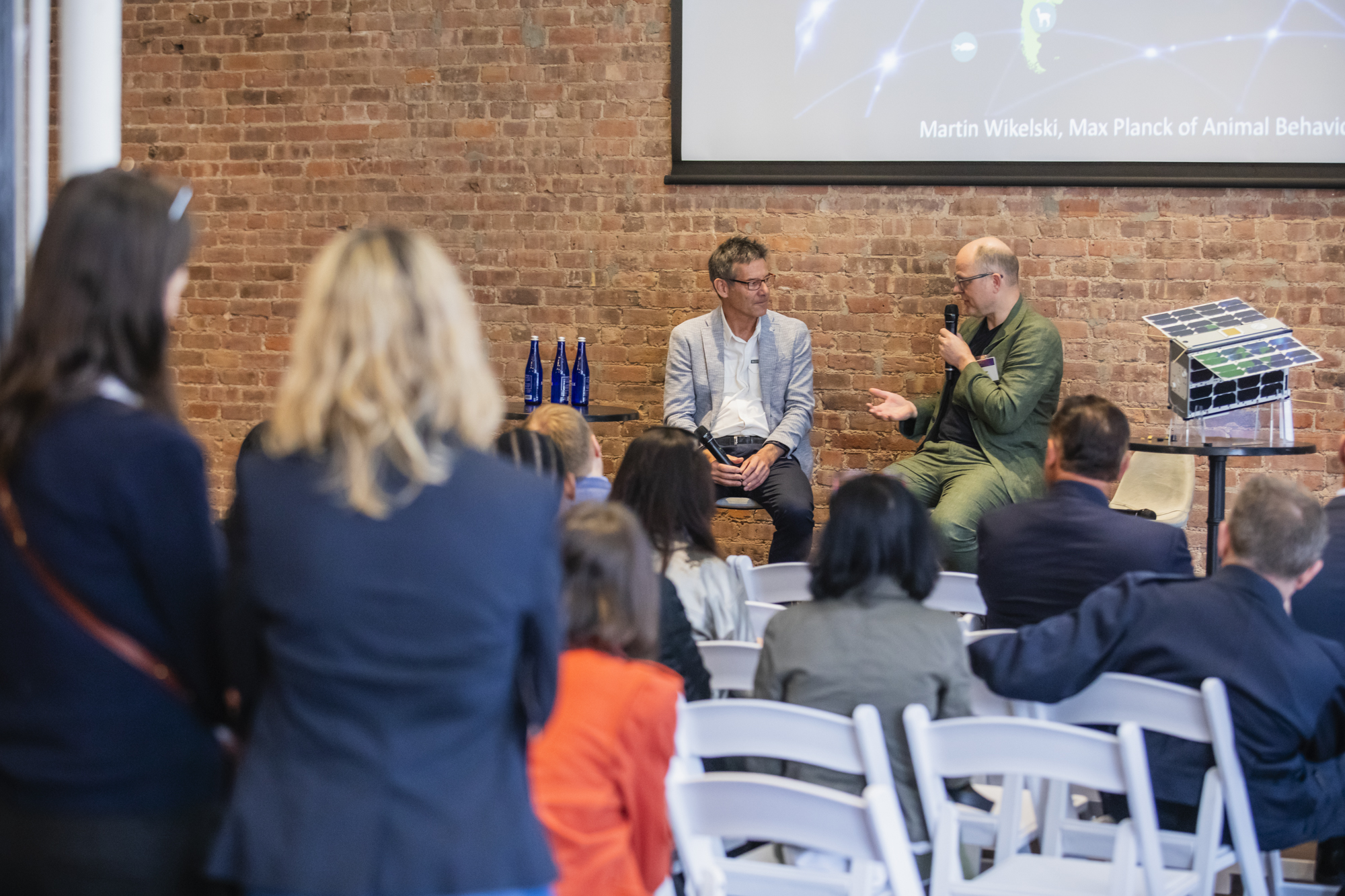
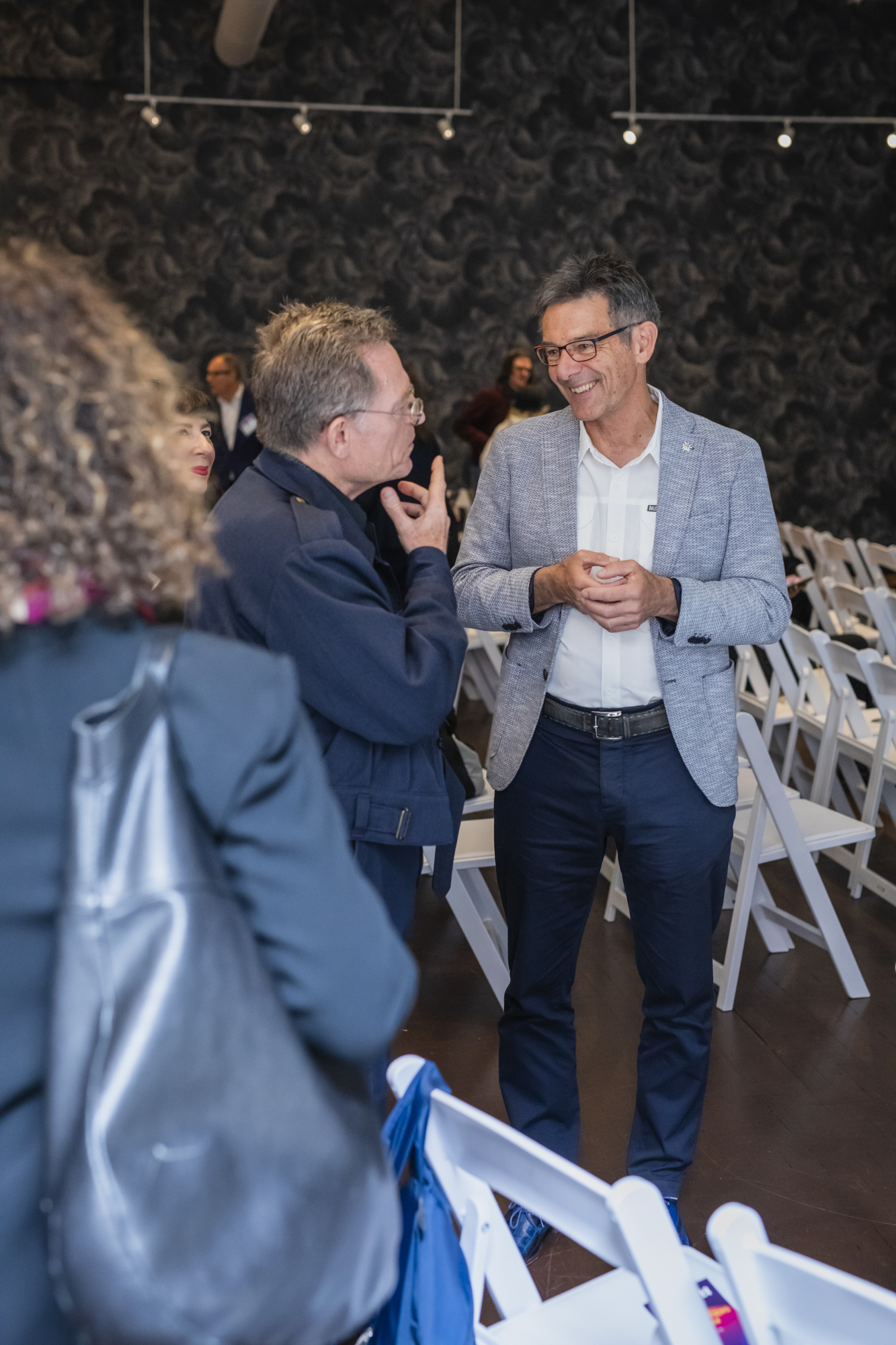
Featuring Martin Wikelski (Director of the Department of Migration of the Max Planck Institute of Animal Behavior and Honorary Professor at the University of Konstanz), moderated by Jan Lüdert (Head of Programs at the German Centre for Research and Innovation (DWIH) New York City).
Thank you to our program co-hosts and partners, the ACG, DWIH, and the University of Cologne New York Office, as well as to Vitra for generously hosting us for our opening reception and keynote. Thank you also to Campus OWL, Deutsches Haus at NYU, Goethe-Institut New York, Heidelberg University Association, UAS7, The University of Freiburg, and UA Ruhr North America for your support.
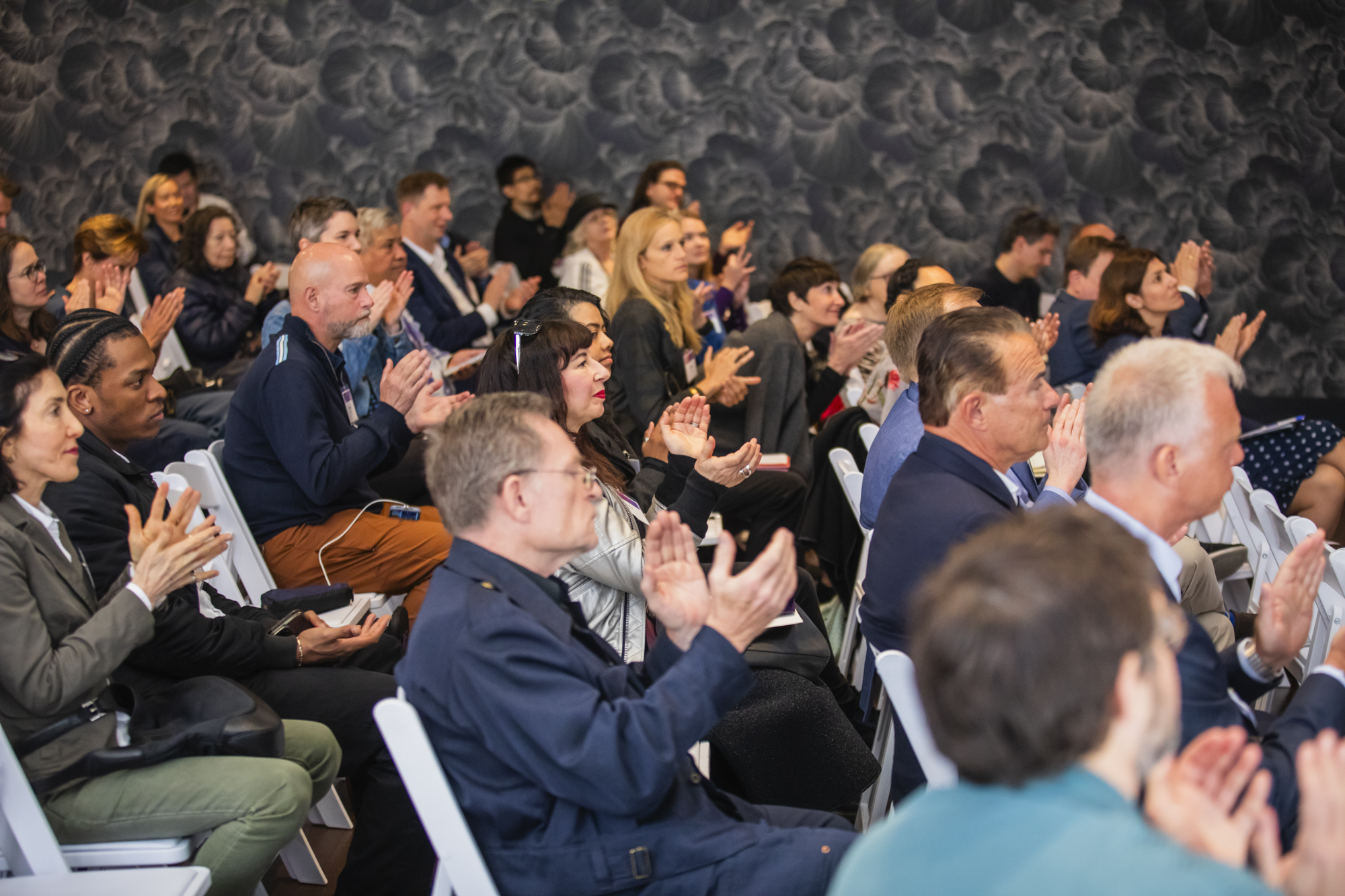
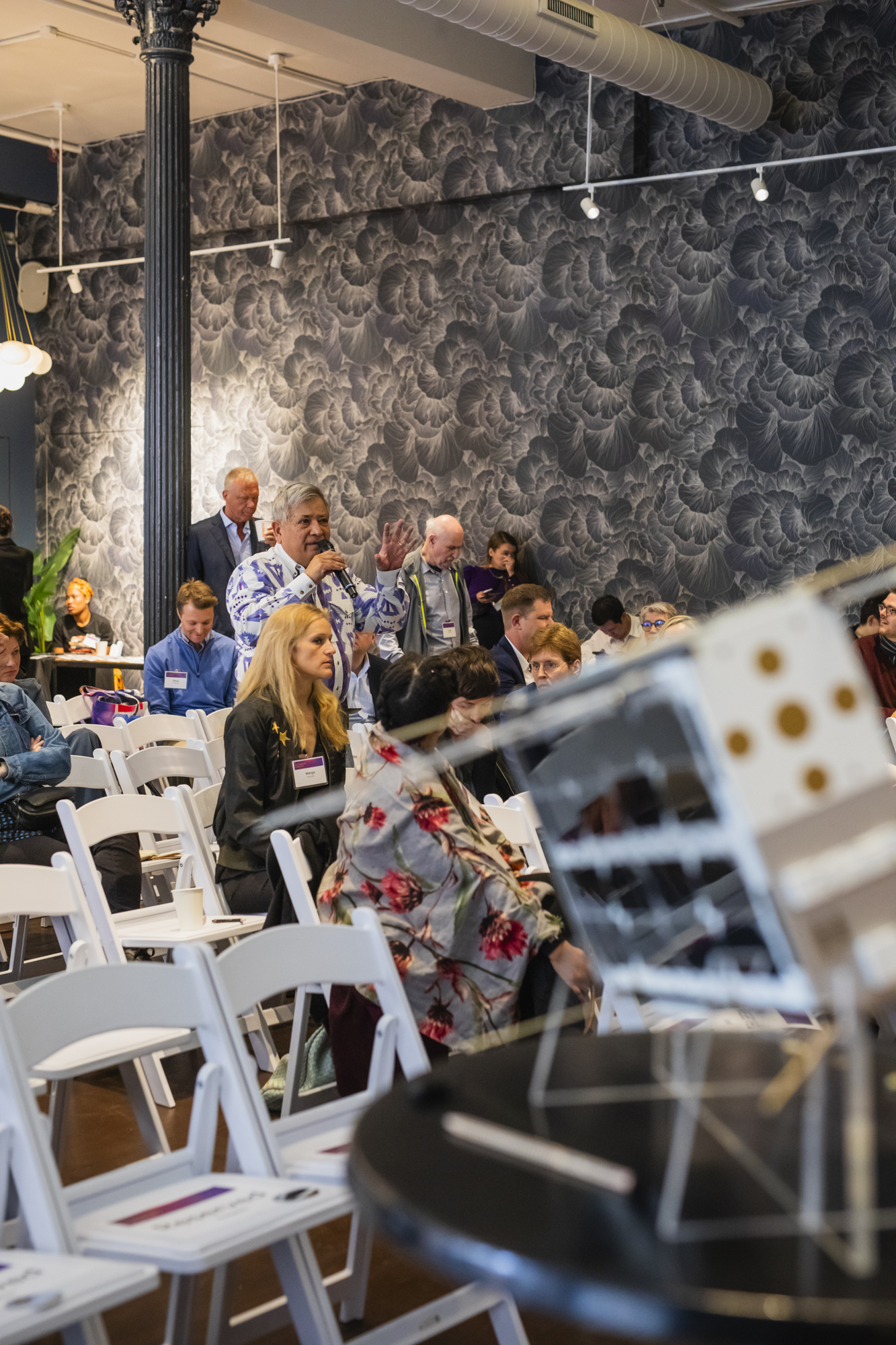
Event Photos: Matthew Gilbertson
Biography

Prof. Dr. Martin Wikelski is the Director of the Max Planck Institute of Animal Behavior (formerly Ornithology) in Radolfzell (Germany), Professor in Biology at the University of Konstanz and member of the German Academy of Sciences Leopoldina. Previously, he held positions at the University of Washington, Seattle, WA; Smithsonian Tropical Research Institute, Panama; University of Illinois Urbana-Champaign; Princeton University. His specialization is the study of global animal movement.
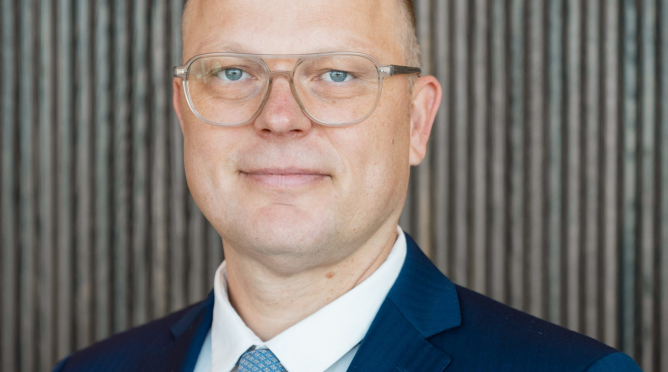
Dr. Jan Lüdert is Head of Programs at the German Center for Research and Innovation (DWIH) New York. Jan earned a Ph.D. in Political Science from the University of British Columbia (UBC). He holds Harvard Kennedy’s School Public Leadership Credential; a First-Class Honors MA in International Relations from the Australian National University; and a BA in Public Policy from Hamburg University for Economics and Politics. He previously served as Associate Professor at City University of Seattle where he was the inaugural Director of Curriculum and Instruction. He held positions as Visiting Research Scholar at the Ralph Bunche Institute for International Studies at City University of New York's Graduate Center as well as Research Associate with the DFG 'Dynamics of Security' project at Philipps Marburg University. He is an alumnus of Seattle's World Affairs Council Fellows and UBC Liu Institute for Global Issues Scholar programs.
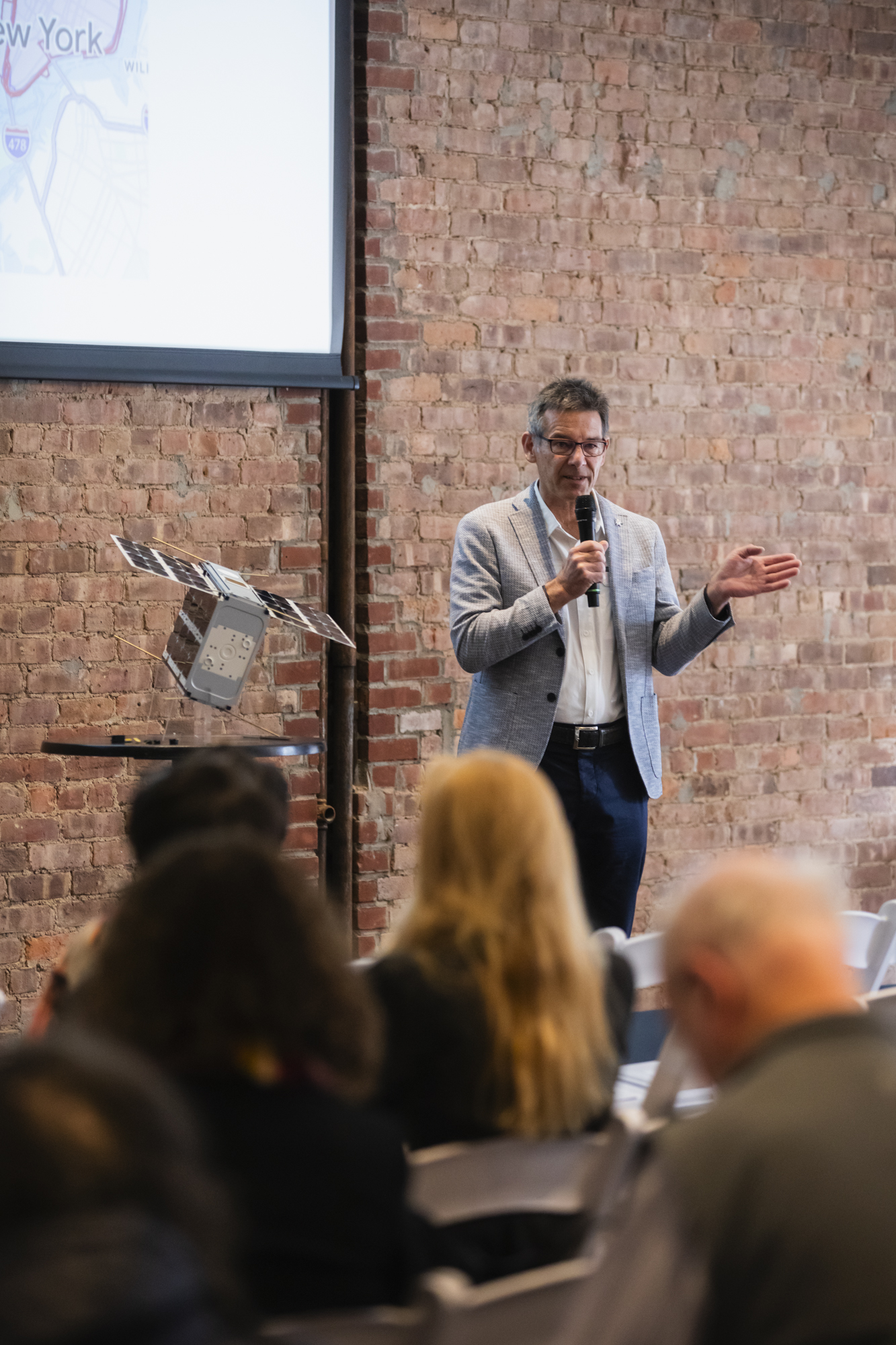



The collective wisdom of the Earth's animals provides an immense bio-treasure of unprecedented information for humankind. Learning from animals in the "Internet of Animals" can help us predict natural catastrophes, forecast global zoonotic disease spreads, or safeguard food resources while monitoring in situ every corner of the planet. The evolved senses of animals as well as technical sensors on animal-borne tracking tags enable local earth observations at highest spatial and temporal resolution. To protect and understand the ecosystem services provided by animals, we need to monitor individual animals seamlessly on a global scale. At the same time, these unprecedented life-history data of individual wild animals provide deep, novel insight into fundamental biological processes.
The ICARUS initiative, an international bottom-up, science-driven technology development of small, cheap and autonomous IoT (Internet of Things) sensing devices for animal movement and behavior is aiming towards this: wearables for wildlife. The resulting big data available in the open-source data base Movebank helps understand, monitor, predict and protect life on our planet.
Featuring Martin Wikelski (Director of the Department of Migration of the Max Planck Institute of Animal Behavior and Honorary Professor at the University of Konstanz), moderated by Jan Lüdert (Head of Programs at the German Centre for Research and Innovation (DWIH) New York City).
Thank you to our program co-hosts and partners, the ACG, DWIH, and the University of Cologne New York Office, as well as to Vitra for generously hosting us for our opening reception and keynote. Thank you also to Campus OWL, Deutsches Haus at NYU, Goethe-Institut New York, Heidelberg University Association, UAS7, The University of Freiburg, and UA Ruhr North America for your support.
Event Photos: Matthew Gilbertson
Biography
Prof. Dr. Martin Wikelski is the Director of the Max Planck Institute of Animal Behavior (formerly Ornithology) in Radolfzell (Germany), Professor in Biology at the University of Konstanz and member of the German Academy of Sciences Leopoldina. Previously, he held positions at the University of Washington, Seattle, WA; Smithsonian Tropical Research Institute, Panama; University of Illinois Urbana-Champaign; Princeton University. His specialization is the study of global animal movement.
Dr. Jan Lüdert is Head of Programs at the German Center for Research and Innovation (DWIH) New York. Jan earned a Ph.D. in Political Science from the University of British Columbia (UBC). He holds Harvard Kennedy’s School Public Leadership Credential; a First-Class Honors MA in International Relations from the Australian National University; and a BA in Public Policy from Hamburg University for Economics and Politics. He previously served as Associate Professor at City University of Seattle where he was the inaugural Director of Curriculum and Instruction. He held positions as Visiting Research Scholar at the Ralph Bunche Institute for International Studies at City University of New York's Graduate Center as well as Research Associate with the DFG 'Dynamics of Security' project at Philipps Marburg University. He is an alumnus of Seattle's World Affairs Council Fellows and UBC Liu Institute for Global Issues Scholar programs.

The collective wisdom of the Earth's animals provides an immense bio-treasure of unprecedented information for humankind. Learning from animals in the "Internet of Animals" can help us predict natural catastrophes, forecast global zoonotic disease spreads, or safeguard food resources while monitoring in situ every corner of the planet. The evolved senses of animals as well as technical sensors on animal-borne tracking tags enable local earth observations at highest spatial and temporal resolution. To protect and understand the ecosystem services provided by animals, we need to monitor individual animals seamlessly on a global scale. At the same time, these unprecedented life-history data of individual wild animals provide deep, novel insight into fundamental biological processes.
The ICARUS initiative, an international bottom-up, science-driven technology development of small, cheap and autonomous IoT (Internet of Things) sensing devices for animal movement and behavior is aiming towards this: wearables for wildlife. The resulting big data available in the open-source data base Movebank helps understand, monitor, predict and protect life on our planet.
Featuring Martin Wikelski (Director of the Department of Migration of the Max Planck Institute of Animal Behavior and Honorary Professor at the University of Konstanz), moderated by Jan Lüdert (Head of Programs at the German Centre for Research and Innovation (DWIH) New York City).
Thank you to our program co-hosts and partners, the ACG, DWIH, and the University of Cologne New York Office, as well as to Vitra for generously hosting us for our opening reception and keynote. Thank you also to Campus OWL, Deutsches Haus at NYU, Goethe-Institut New York, Heidelberg University Association, UAS7, The University of Freiburg, and UA Ruhr North America for your support.
Event Photos: Matthew Gilbertson
Biography
Prof. Dr. Martin Wikelski is the Director of the Max Planck Institute of Animal Behavior (formerly Ornithology) in Radolfzell (Germany), Professor in Biology at the University of Konstanz and member of the German Academy of Sciences Leopoldina. Previously, he held positions at the University of Washington, Seattle, WA; Smithsonian Tropical Research Institute, Panama; University of Illinois Urbana-Champaign; Princeton University. His specialization is the study of global animal movement.
Dr. Jan Lüdert is Head of Programs at the German Center for Research and Innovation (DWIH) New York. Jan earned a Ph.D. in Political Science from the University of British Columbia (UBC). He holds Harvard Kennedy’s School Public Leadership Credential; a First-Class Honors MA in International Relations from the Australian National University; and a BA in Public Policy from Hamburg University for Economics and Politics. He previously served as Associate Professor at City University of Seattle where he was the inaugural Director of Curriculum and Instruction. He held positions as Visiting Research Scholar at the Ralph Bunche Institute for International Studies at City University of New York's Graduate Center as well as Research Associate with the DFG 'Dynamics of Security' project at Philipps Marburg University. He is an alumnus of Seattle's World Affairs Council Fellows and UBC Liu Institute for Global Issues Scholar programs.
Session Recording
Gallery