.jpg)

.png)
Earth's Orbit: Threshold to the Stars
.svg)
.svg)
.jpg)
Accessing outer space is no mean feat. Still, simply reaching low-earth orbit, 160 km (100 mi) above sea level, takes a tremendous amount of energy and engineering work. But despite these challenges, space has come to serve an increasingly essential role to Earth societies since its initial exploration in the mid-20th century.
How did this come to be the case? For what purposes have historical and contemporary actors used the space of Earth's orbit? And what might some effects of their efforts be in the near and far future? Featuring experts Fred Scharmen, Morgan State University School of Architecture and Planning; Cristian van Eijk, University of Cambridge; and Anuradha Damale, incoming Policy Fellow and Programme Manager at BASIC. Curated and moderated by Nick Travaglini (Liberal Studies - The New School), Co-Chair of New School Policy and Design for Outer Space (NSPDOS) of Students for the Exploration and Development of Space.
Biographies

Anuradha Damale (she) is an incoming Policy Fellow and Programme Manager at BASIC, and an incoming doctoral researcher on the EU-funded Third Nuclear Age Project at the University of Leicester. She is currently a Researcher at VERTIC. Anu's professional work focuses on nuclear disarmament verification, WMD issues, science policy and space policy. She is known for her work on inclusion in the international security field. Her PhD research is on the concept of Responsibility in Outer Space, bringing her Science and Technology Policy expertise to explore this International Relations issue. She was previously Chair of UKSEDS, the UK's National Space Charity, and is currently the Director of Women of Color Advancing Peace and Security in the UK. Anu has a BSc in Physics from Durham University (UK) and a MSc in Science and Technology Policy from the Science Policy Research Unit, University of Sussex. As a technical and policy expert, she focuses on applying systems theories to IR, and to technological and policy artefacts and environments.
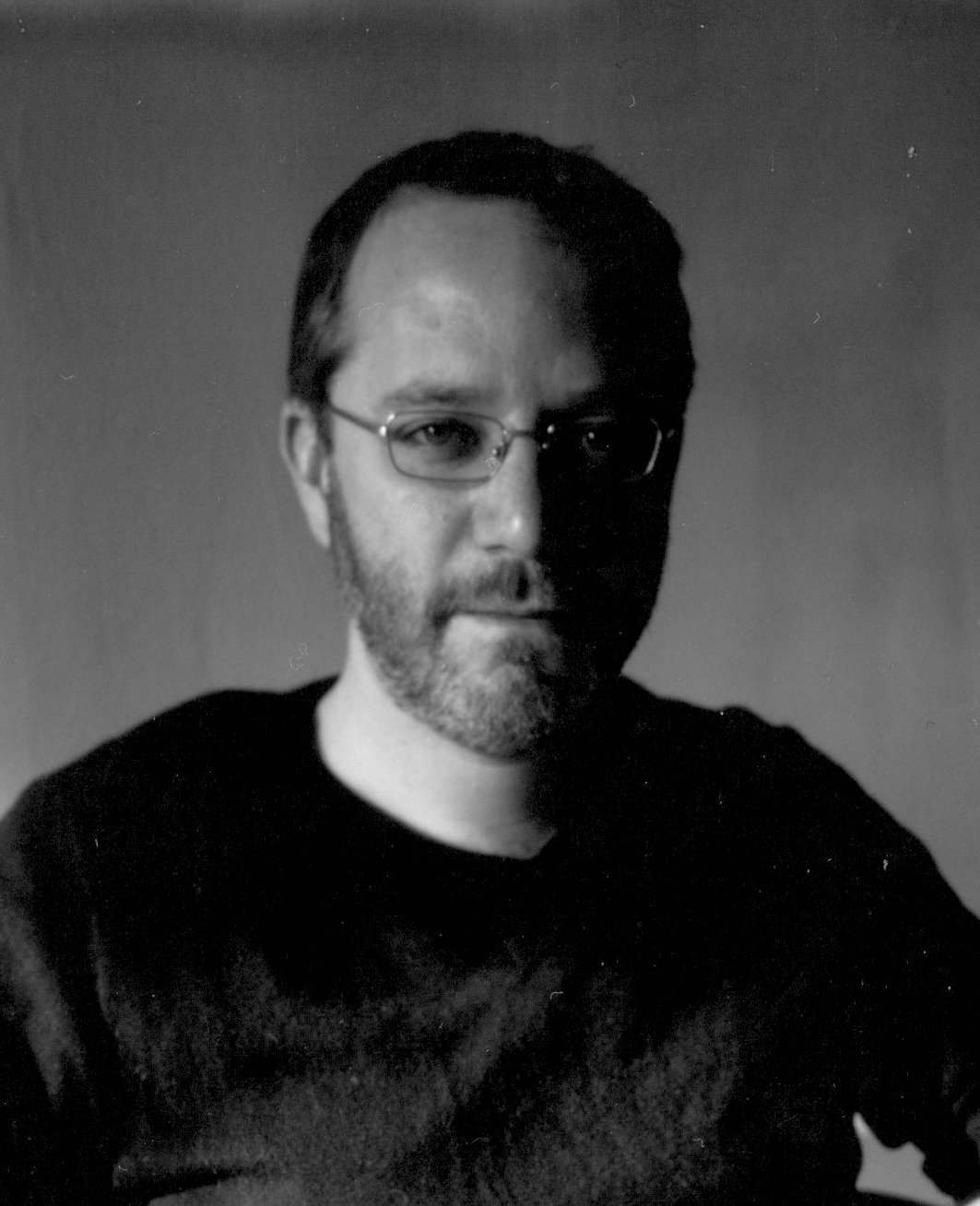
Fred Scharmen teaches architecture and urban design at Morgan State University’s School of Architecture and Planning. He is the co-founder of the Working Group on Adaptive Systems, an art and design consultancy based in Baltimore, Maryland. His work circles around questions about how and why we make spaces for the future, and who is invited into them. His first book, Space Settlements, from Columbia Books on Architecture and the City, was published in 2019. His second book, Space Forces was published by Verso in 2021. He received his Masters Degree in Architecture from Yale University. His writing has appeared in the Journal of Architectural Education, New Geographies, Places Journal, Atlantic CityLab, Slate, Log, CLOG, Volume, and Domus.

Cristian van Eijk is an international lawyer based at the University of Cambridge. His research examines the law and history of the space commons and the space environment, and his work has appeared in peer-reviewed journals, United Nations reports, and The Daily Beast. He holds an LLM and BA in Public International Law from Leiden University.

Nick Travaglini (Liberal Studies - The New School) is a Co-Chair of New School Policy and Design for Outer Space (NSPDOS) of Students for the Exploration and Development of Space. NSPDOS focuses on the social aspects of space, and Nick studies the production and maintenance of these endeavors' vital technical infrastructures.



Accessing outer space is no mean feat. Still, simply reaching low-earth orbit, 160 km (100 mi) above sea level, takes a tremendous amount of energy and engineering work. But despite these challenges, space has come to serve an increasingly essential role to Earth societies since its initial exploration in the mid-20th century.
How did this come to be the case? For what purposes have historical and contemporary actors used the space of Earth's orbit? And what might some effects of their efforts be in the near and far future? Featuring experts Fred Scharmen, Morgan State University School of Architecture and Planning; Cristian van Eijk, University of Cambridge; and Anuradha Damale, incoming Policy Fellow and Programme Manager at BASIC. Curated and moderated by Nick Travaglini (Liberal Studies - The New School), Co-Chair of New School Policy and Design for Outer Space (NSPDOS) of Students for the Exploration and Development of Space.
Biographies
Anuradha Damale (she) is an incoming Policy Fellow and Programme Manager at BASIC, and an incoming doctoral researcher on the EU-funded Third Nuclear Age Project at the University of Leicester. She is currently a Researcher at VERTIC. Anu's professional work focuses on nuclear disarmament verification, WMD issues, science policy and space policy. She is known for her work on inclusion in the international security field. Her PhD research is on the concept of Responsibility in Outer Space, bringing her Science and Technology Policy expertise to explore this International Relations issue. She was previously Chair of UKSEDS, the UK's National Space Charity, and is currently the Director of Women of Color Advancing Peace and Security in the UK. Anu has a BSc in Physics from Durham University (UK) and a MSc in Science and Technology Policy from the Science Policy Research Unit, University of Sussex. As a technical and policy expert, she focuses on applying systems theories to IR, and to technological and policy artefacts and environments.
Fred Scharmen teaches architecture and urban design at Morgan State University’s School of Architecture and Planning. He is the co-founder of the Working Group on Adaptive Systems, an art and design consultancy based in Baltimore, Maryland. His work circles around questions about how and why we make spaces for the future, and who is invited into them. His first book, Space Settlements, from Columbia Books on Architecture and the City, was published in 2019. His second book, Space Forces was published by Verso in 2021. He received his Masters Degree in Architecture from Yale University. His writing has appeared in the Journal of Architectural Education, New Geographies, Places Journal, Atlantic CityLab, Slate, Log, CLOG, Volume, and Domus.
Cristian van Eijk is an international lawyer based at the University of Cambridge. His research examines the law and history of the space commons and the space environment, and his work has appeared in peer-reviewed journals, United Nations reports, and The Daily Beast. He holds an LLM and BA in Public International Law from Leiden University.
Nick Travaglini (Liberal Studies - The New School) is a Co-Chair of New School Policy and Design for Outer Space (NSPDOS) of Students for the Exploration and Development of Space. NSPDOS focuses on the social aspects of space, and Nick studies the production and maintenance of these endeavors' vital technical infrastructures.

Accessing outer space is no mean feat. Still, simply reaching low-earth orbit, 160 km (100 mi) above sea level, takes a tremendous amount of energy and engineering work. But despite these challenges, space has come to serve an increasingly essential role to Earth societies since its initial exploration in the mid-20th century.
How did this come to be the case? For what purposes have historical and contemporary actors used the space of Earth's orbit? And what might some effects of their efforts be in the near and far future? Featuring experts Fred Scharmen, Morgan State University School of Architecture and Planning; Cristian van Eijk, University of Cambridge; and Anuradha Damale, incoming Policy Fellow and Programme Manager at BASIC. Curated and moderated by Nick Travaglini (Liberal Studies - The New School), Co-Chair of New School Policy and Design for Outer Space (NSPDOS) of Students for the Exploration and Development of Space.
Biographies
Anuradha Damale (she) is an incoming Policy Fellow and Programme Manager at BASIC, and an incoming doctoral researcher on the EU-funded Third Nuclear Age Project at the University of Leicester. She is currently a Researcher at VERTIC. Anu's professional work focuses on nuclear disarmament verification, WMD issues, science policy and space policy. She is known for her work on inclusion in the international security field. Her PhD research is on the concept of Responsibility in Outer Space, bringing her Science and Technology Policy expertise to explore this International Relations issue. She was previously Chair of UKSEDS, the UK's National Space Charity, and is currently the Director of Women of Color Advancing Peace and Security in the UK. Anu has a BSc in Physics from Durham University (UK) and a MSc in Science and Technology Policy from the Science Policy Research Unit, University of Sussex. As a technical and policy expert, she focuses on applying systems theories to IR, and to technological and policy artefacts and environments.
Fred Scharmen teaches architecture and urban design at Morgan State University’s School of Architecture and Planning. He is the co-founder of the Working Group on Adaptive Systems, an art and design consultancy based in Baltimore, Maryland. His work circles around questions about how and why we make spaces for the future, and who is invited into them. His first book, Space Settlements, from Columbia Books on Architecture and the City, was published in 2019. His second book, Space Forces was published by Verso in 2021. He received his Masters Degree in Architecture from Yale University. His writing has appeared in the Journal of Architectural Education, New Geographies, Places Journal, Atlantic CityLab, Slate, Log, CLOG, Volume, and Domus.
Cristian van Eijk is an international lawyer based at the University of Cambridge. His research examines the law and history of the space commons and the space environment, and his work has appeared in peer-reviewed journals, United Nations reports, and The Daily Beast. He holds an LLM and BA in Public International Law from Leiden University.
Nick Travaglini (Liberal Studies - The New School) is a Co-Chair of New School Policy and Design for Outer Space (NSPDOS) of Students for the Exploration and Development of Space. NSPDOS focuses on the social aspects of space, and Nick studies the production and maintenance of these endeavors' vital technical infrastructures.